

If you’re lucky enough to have floor‑to‑ceiling glass or a wide bank of windows in your living room, you already know they’re both a blessing and a bit of a headache. The best blinds for large windows have to control glare, protect your furniture, and give you privacy, all without sagging, warping, or feeling heavy to operate.
In our work across Surrey and Greater Vancouver homes, we’ve seen what works on very wide and tall windows—and what starts to bow or twist after the first hot summer. This guide walks you through the most reliable window treatment options for large windows, how to keep them straight over time, and where smart and motorized blinds make life easier.
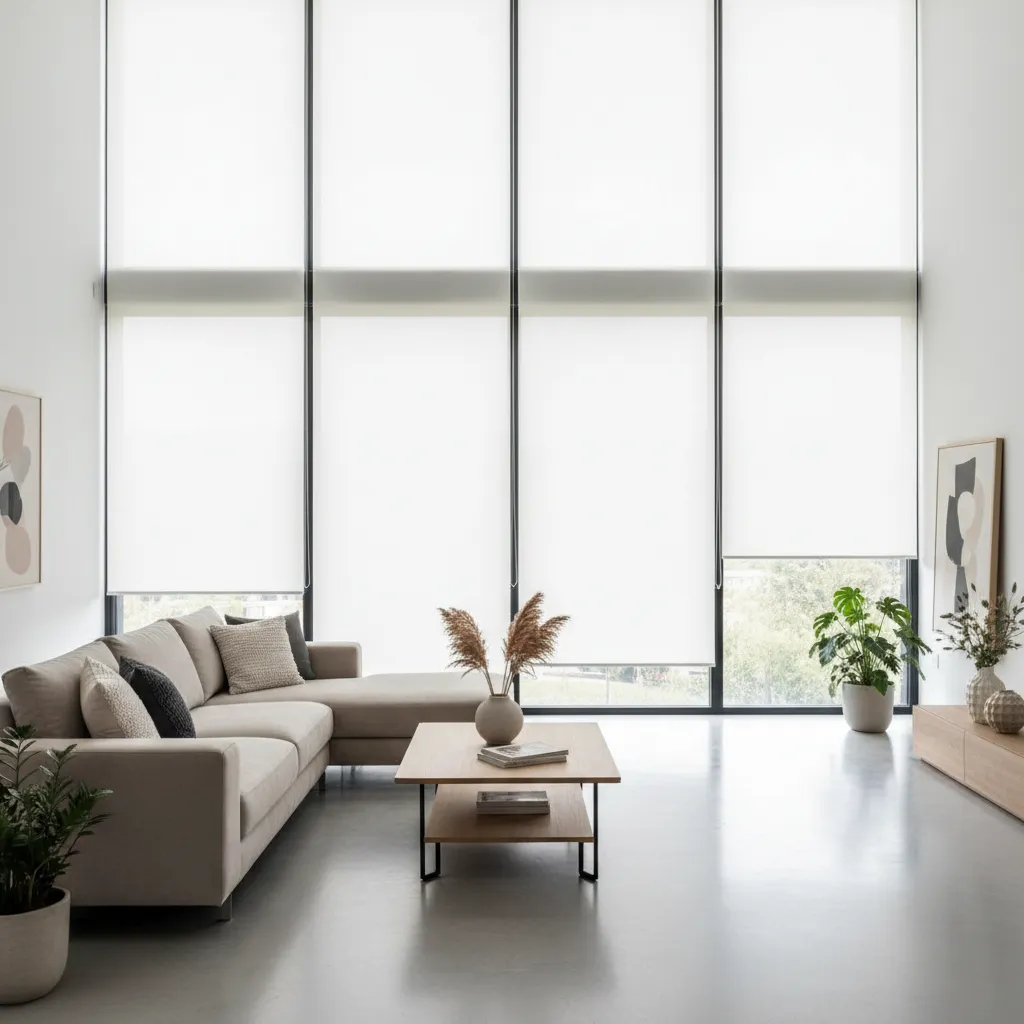 A bright living room with floor-to-ceiling windows using sleek blinds to control glare without blocking the view.
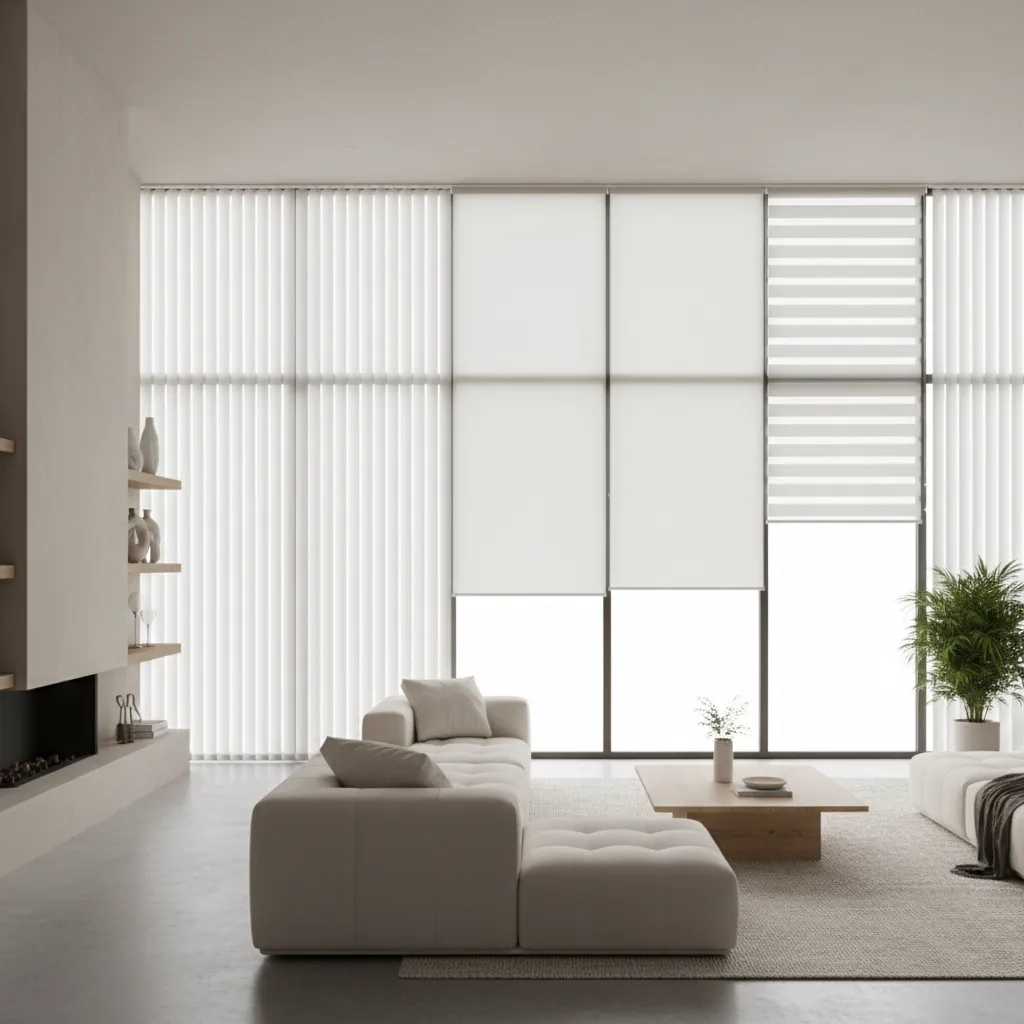 Different blind styles—verticals, rollers, and zebra shades—can all work well on large living room windows when sized correctly.
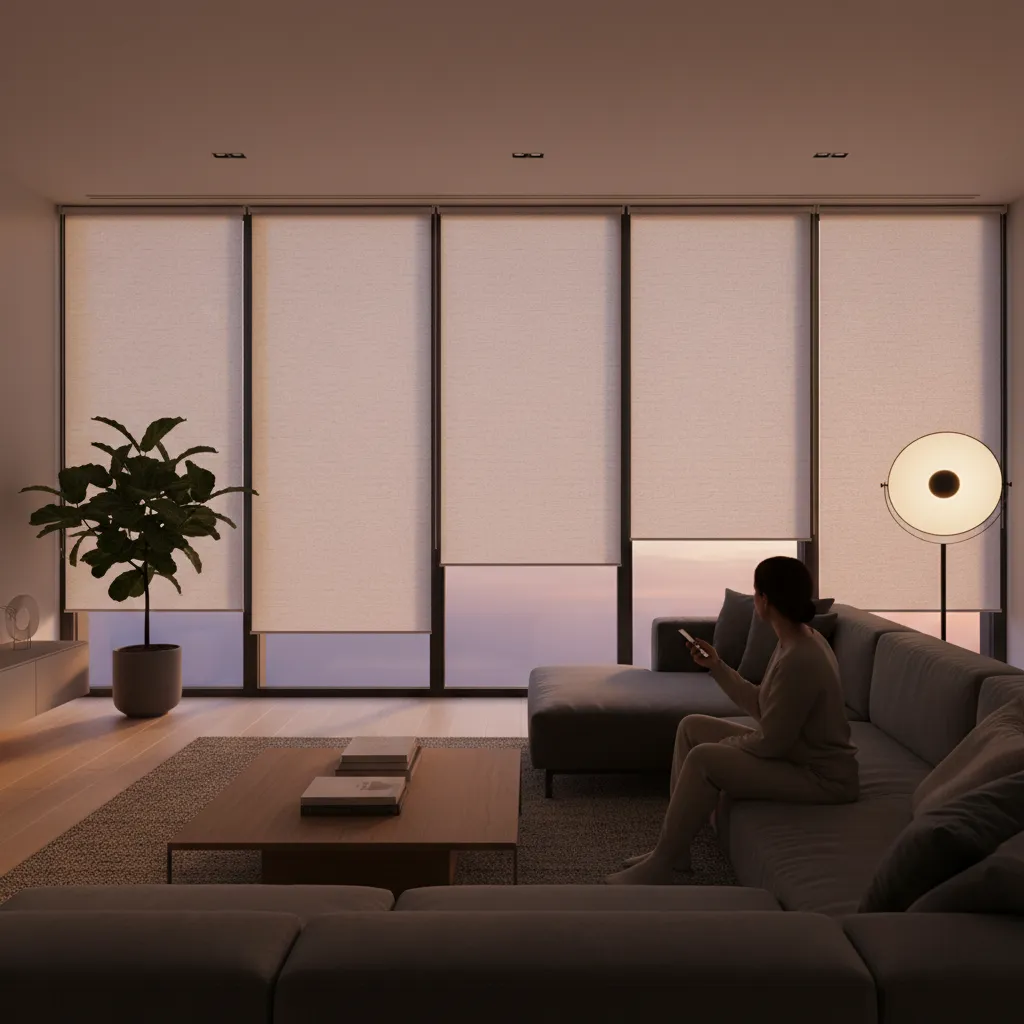 Motorized blinds make it easier to control large living room windows with a remote or smart device.
Motorized roller, zebra, and honeycomb shades are ideal window treatments for very large windows because:
Motorized blinds make it easier to control large living room windows with a remote or smart device.
Motorized roller, zebra, and honeycomb shades are ideal window treatments for very large windows because:
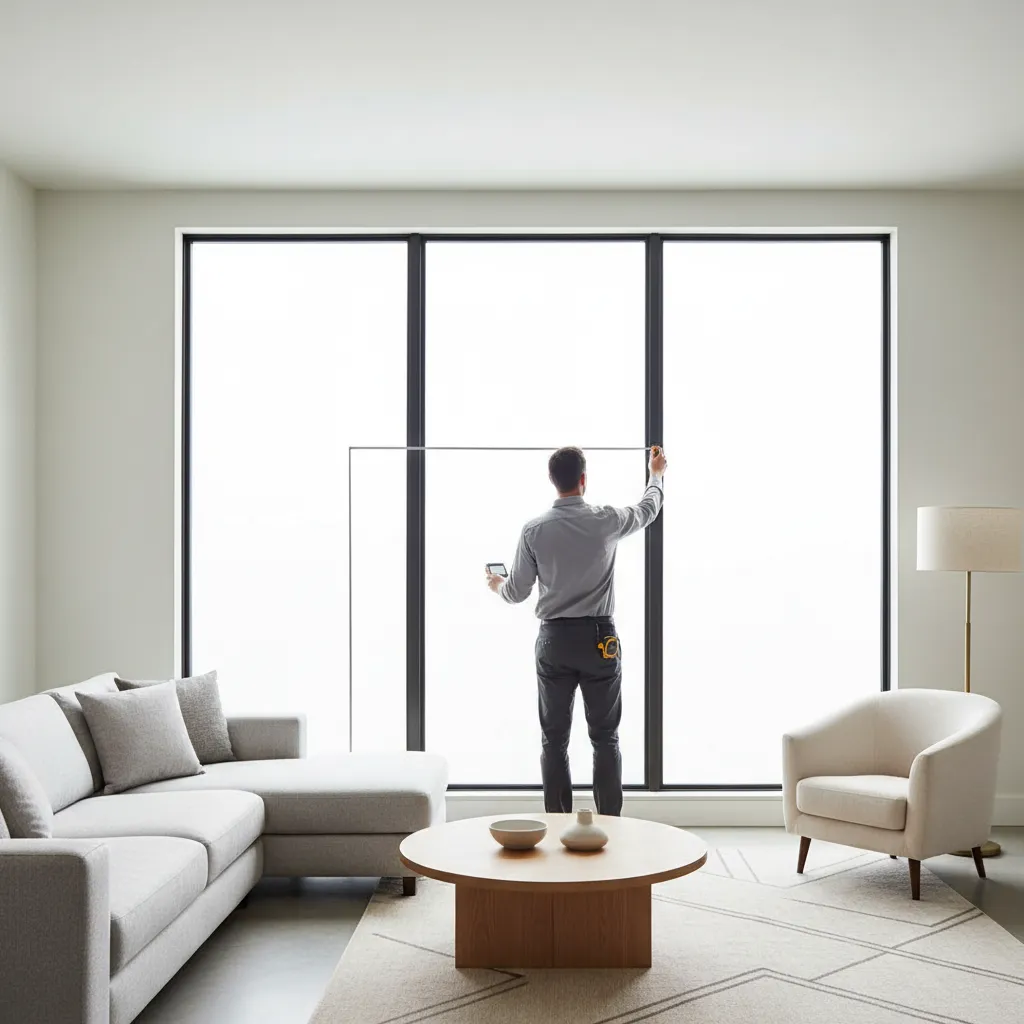 An in-home consultation ensures large living room windows are measured and fitted for custom blinds that won’t sag or warp.
Here’s how the process usually works:
An in-home consultation ensures large living room windows are measured and fitted for custom blinds that won’t sag or warp.
Here’s how the process usually works:
A bright living room with floor-to-ceiling windows using sleek blinds to control glare without blocking the view.
Why large living room windows need special blinds
Large windows act differently than smaller ones: more weight in the fabric or slats, more sun on the glass, and more movement every time you open or close the blinds. If the product or hardware isn’t built for that span, you’ll start to see:- Center sagging, where the bottom rail or slats dip in the middle
- Warping on sun‑exposed sides, especially with low‑quality vinyl or real wood
- Cords that feel heavy or jerky because they’re lifting too much weight
- Uneven gaps that ruin privacy and light control
What to look for so blinds don’t sag or warp
1. Sag‑ and warp‑resistant materials
Some materials simply hold up better on window treatments for very large windows:- Faux wood blinds with reinforced slats handle humidity and sun better than many real wood products.
- Aluminum headrails and components support the weight of wide blinds without bending.
- Quality roller shade fabrics are engineered to hang straight, even on extra‑wide rollers.
- Textile vanes on sheer or vertical shades tend to stay straight when the hardware is well designed.
2. Strong headrails and hardware
The headrail is the “backbone” of your blinds. For large spans, look for:- Steel or high‑grade aluminum rails, not flimsy metal
- Extra support brackets across the width
- Options to split the window into two or more aligned blinds on one continuous headrail
3. Smooth operation and family safety
Large blinds—especially on patio doors or favourite views—are opened and closed constantly. Good window treatment options for large windows usually offer:- Cordless controls for cleaner lines and child safety
- Continuous loop chains with tensioners, so they’re safe and easy to use
- Motorized controls for very tall or hard‑to‑reach windows
4. The right level of light control for a living room
Living rooms often need flexibility: soft light for daytime and more privacy at night. That’s where products like zebra shades or double roller systems shine, since you can switch between sheer and room‑darkening fabrics.Best blinds for large windows in living rooms (by style)
Different blind styles—verticals, rollers, and zebra shades—can all work well on large living room windows when sized correctly.
1. Vertical blinds for sliding doors and wall‑to‑wall windows
Classic vertical blinds still work very well on patio doors and long, wide spans. They:- Stack neatly to one side or split in the middle
- Handle wide widths without heavy lifting
- Let you tilt the vanes for precise glare control
2. Panel track blinds for a modern, streamlined look
Panel track blinds are like oversized vertical blinds, but instead of narrow vanes you get wide fabric panels that slide on a track. They’re a great choice when you want a simple, modern style:- Large panels stay flat and straight
- Tracks are designed for wide spans
- Work beautifully on wall‑to‑wall glass or large patio doors
3. Roller and double (dual) roller blinds
Roller blinds are a go‑to option for contemporary living rooms. For very large windows, look for:- Heavy‑duty tubes specified for wide widths
- Side channels or fascia options if you want a built‑in look
- Dual rollers with separate sheer and blackout fabrics
4. Zebra (sheer shades) for flexible light control
Zebra shades—also called banded or sheer shades—alternate sheer and solid fabric stripes. On big living room windows, they offer:- Soft, filtered daylight when stripes are aligned
- Better privacy and dimming when the solid bands overlap
- A sleek cassette at the top that hides the roll
5. Honeycomb (cellular) shades for insulation and comfort
If your living room windows face south or west, heat gain can be a real issue. Honeycomb shades add insulation, which helps keep rooms more comfortable and can support energy savings. For background, Natural Resources Canada notes that windows, doors, and skylights can account for up to 25% of a home’s energy loss, so pairing efficient glass with insulated shades can make a noticeable difference. Local utilities such as BC Hydro’s windows and coverings tips also highlight how using blinds and shades strategically can help manage heat gain and heat loss through glass. On large windows, choose:- Continuous cord loop or motorization for easier lifting
- Top‑down/bottom‑up options if you want privacy while keeping views
- Cell sizes and fabrics rated for wide spans
Smart and motorized window treatments for very large windows
Very tall or high‑up windows look amazing, but nobody wants to lean over a sofa every time they tweak the blinds. That’s where smart, motorized systems shine.
Motorized blinds make it easier to control large living room windows with a remote or smart device.
Motorized roller, zebra, and honeycomb shades are ideal window treatments for very large windows because:
- The motor lifts the weight instead of a manual cord
- Operation stays smooth and consistent over time
- You can set schedules—morning open, evening close—for comfort and security
Design tips for very large living room windows
1. One wide blind vs multiple smaller blinds
One of the biggest decisions with large windows is whether to use a single oversized blind or split the opening. In many cases, we recommend:- Two or three aligned blinds on one rail for extra‑wide windows
- Individual blinds on each section of a window if mullions break up the glass
- A mix of shades and drapery if you love a layered, designer look
2. Inside mount vs outside mount
For big windows, the mount style changes both the look and the performance:- Inside mount sits within the frame for a clean, built‑in feel.
- Outside mount lets you go a little wider than the glass to reduce light gaps and make the window look larger.
3. Colour and fabric choices that work in BC homes
Light neutrals are popular around Surrey and Vancouver because they brighten grey winter days while still handling bright summer sun. Textured fabrics hide a bit of everyday dust, and solar screen materials let you keep the view while cutting glare and UV—something Health Canada also talks about when discussing UV exposure and furnishings.Common mistakes that lead to sagging or warping
From the large‑window installations we’ve handled around Surrey and the Lower Mainland, we see the same problems pop up. Here are a few things to steer clear of:- Oversizing a single blind beyond the manufacturer’s recommended width
- Choosing low‑grade vinyl or thin plastic slats on sun‑exposed windows
- Using too few brackets, which leaves the headrail unsupported in the middle
- DIY measuring errors that cause binding, scraping, or gaps
- Skipping professional installation on especially wide or tall openings
How Ray Blinds helps homeowners in Surrey & Vancouver with large windows
Because Ray Blinds manufactures and installs custom window coverings locally, we can size and support blinds specifically for your extra‑wide or extra‑tall living room windows.
An in-home consultation ensures large living room windows are measured and fitted for custom blinds that won’t sag or warp.
Here’s how the process usually works:
- Free in‑home consultation: We come to your home, measure every section of the window, and talk about how you use the space.
- Style and fabric recommendations: We narrow down options—panel tracks, dual rollers, zebra shades, motorized styles—based on your light, privacy, and budget needs.
- Custom manufacturing: We build your blinds to size with components rated for large spans in our local Surrey shop.
- Professional installation: Our team installs, levels, and tests the blinds so operation is smooth from day one.
FAQ: Window treatment options for large windows
What blinds are best for floor‑to‑ceiling living room windows?
For full‑height glass, we usually recommend vertical blinds, panel track systems, or motorized roller shades. They handle the height well and stack neatly across wide spans.What are the best window treatments for very large windows with a great view?
If you have a view you love, look at solar roller shades, zebra shades, or sheer verticals. These window treatment options for large windows soften glare and protect furniture while still letting you see out during the day. For night‑time privacy, we often pair them with a second layer such as room‑darkening rollers or drapery.Will faux wood blinds sag on big windows?
Quality faux wood blinds with reinforced slats and a strong headrail can work well on moderately large windows. For very wide spans, though, we usually recommend splitting the opening into two or more blinds or choosing another style like roller or vertical shades that’s designed for larger widths.Are smart blinds worth it for large windows?
On very large or hard‑to‑reach windows, smart blinds are a practical upgrade. Instead of wrestling with heavy cords, you tap a remote or app to adjust them, and many Surrey and Vancouver homeowners choose smart living room blinds when they already have a smart speaker or plan to stay in the home long term.Can you retrofit motorization to existing large blinds?
Sometimes, yes. In other cases, it makes more sense to replace the blind with a motor‑ready system. During a consultation, our team can look at your existing window treatments for very large windows and let you know what’s possible.Key takeaway
Large living room windows call for blinds that are strong, smooth to use, and built for wide spans. Verticals, panel tracks, roller and dual roller shades, zebra shades, and honeycomb shades all offer solid options when sized and installed correctly, especially when paired with smart controls. With the right setup, you get the view, the light, and the privacy, without sagging or warped blinds spoiling the room.Get Custom Blinds for Your Home
Have large windows that need the right fit? Ray Blinds provides custom window blinds for homes in Surrey, Langley, Vancouver, and across the Lower Mainland.
Get a Free Quote