

TL;DR: Quick answers
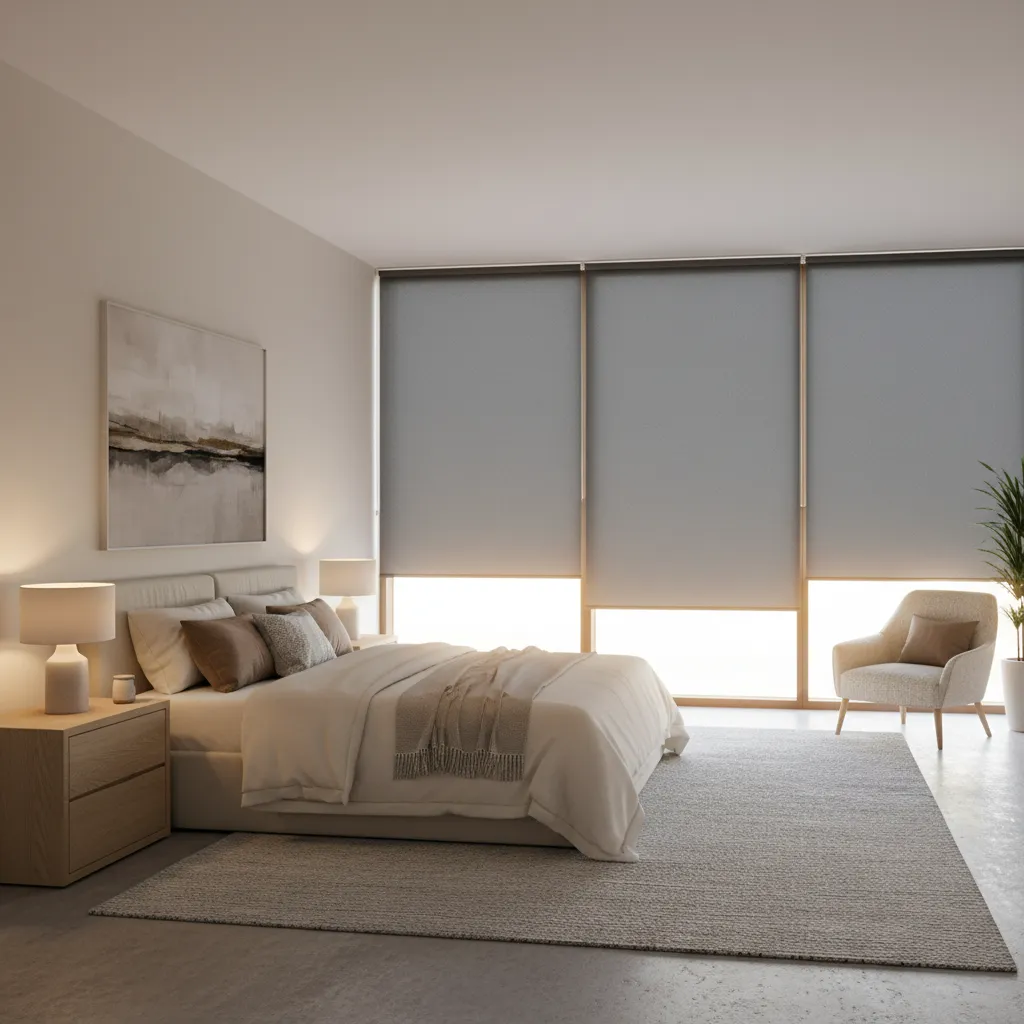
- For deep, hotel-style sleep, choose room‑darkening or blackout shades and side channels in bedrooms.
- For a kitchen window, moisture‑resistant faux wood, aluminum, or easy‑wipe roller shades work best.
- Zebra and sheer shades shine in living areas; honeycomb shades help with drafts and street noise.
- A free in‑home consultation keeps colours, fabrics, and controls consistent from room to room.
Many Surrey and Vancouver homeowners pick blinds one room at a time — a blackout shade here, a zebra there — and end up with mismatched light control. Then the sun hits your bedroom at 5:30 a.m. in June, or the kitchen blinds collect a sticky film from cooking, and you start rethinking what really counts as the best bedroom blinds or kitchen blinds.
This guide pulls everything together so you can think about light, privacy, and moisture as a whole — bedroom, kitchen, and beyond. We’ll walk through how each room behaves, which blind styles and fabrics work well in real homes, and how to keep things looking consistent even when different rooms need different levels of light control.
How bedroom and kitchen light needs really differ
The rooms that frustrate people most are often bedrooms and kitchens. They’re used daily, often face bright light, and have very different jobs.
Bedroom: dark, quiet, and private
Your brain sleeps best in a dark, cool space. Sleep organizations like the Sleep Foundation explain that darkness helps your body release melatonin, the hormone that signals bedtime. Direct sunlight can reach around 10,000 lux (a measure of brightness), while typical indoor lighting is closer to 500 lux, so even small light leaks from thin blinds can feel surprisingly bright at 5:30 a.m.
Bedrooms also often sit close to sidewalks or neighbouring windows, so privacy matters. Slats with gaps or thin fabrics can seem fine at first, but once someone walks a dog past your window at night, most people decide they want better coverage.
“As a general rule, it is best to sleep in as much darkness as possible.”
— Sleep Foundation
Kitchen: bright, wipeable, and safe
Kitchens, on the other hand, are busy, steamy rooms with splashes, condensation, and cooking grease. A pretty fabric that looks great in a living room can stain or warp when it sits right above the sink.
The best blinds for a kitchen window let in plenty of daylight (for chopping, cooking, and doing dishes) while cutting glare on glossy counters and stainless steel appliances. They also need to be easy to wipe and safe near a stove or hot water. Eye‑care experts note that controlling bright natural light with shades or blinds can help reduce glare and visual strain when you’re working at counters for long periods.1
Other rooms to keep in mind
Choices in bedrooms and kitchens affect the rest of your home. Many clients repeat zebra shades or matching roller shades in living areas, offices, and hallways so the whole home still feels coordinated.
What makes the best bedroom blinds for sleep?
When we help people choose bedroom window coverings, three priorities come up again and again: darkness, privacy, and comfort. Here are the options that usually tick those boxes.
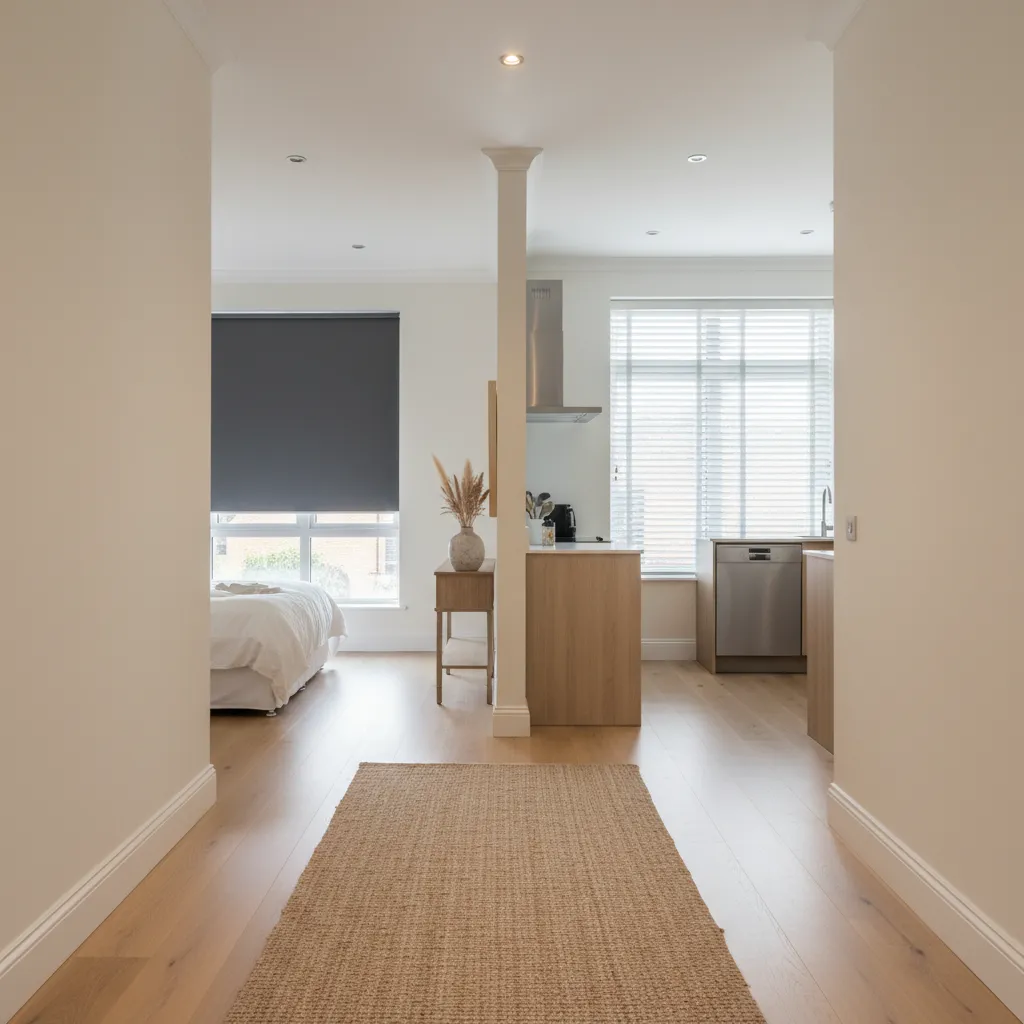
A coordinated home where bedroom blackout blinds and kitchen blinds each suit the room’s job.
1. Blackout roller shades for hotel‑level darkness
For light‑sensitive sleepers, blackout roller shades are hard to beat. A solid, opaque fabric blocks most incoming light, especially if it’s installed with a cassette and side channels to cover gaps at the top and sides. That combination works well in kids’ rooms, nurseries, shift‑worker bedrooms, and east‑facing primary suites.
You can choose from simple vinyl blackout fabrics to textured, designer‑look options. Many of our clients pair blackout roller blinds with decorative curtains so the hardware disappears and the room feels softer.
2. Honeycomb (cellular) shades for insulation and softness
If your bedroom feels chilly in winter or stuffy in summer, honeycomb shades can help. Their cellular structure traps air, adding an extra layer of insulation at the window. That’s especially helpful for older homes or larger windows that face busy streets.
Honeycomb shades come in light‑filtering and blackout versions. Many homeowners choose a light‑filtering style in guest rooms and blackout for their own room, but keep the colour and headrail style consistent across bedrooms for a clean look.
3. Layered or zebra shades when you want soft daylight too
Not everyone wants a pitch‑black bedroom all day. If your bedroom also serves as a reading spot or mini office, zebra blinds (also called dual or layered shades) can work nicely. You can tilt the bands open during the day for filtered daylight, then close them at night for privacy.
For extra darkness, we sometimes combine zebra shades inside the frame with side‑panel curtains on top. That way you get the modern look of a shade plus the light‑blocking boost of fabric panels. For a softer layered look, blackout curtains can also help block light.
Best blinds for a kitchen window (including over the sink)
In kitchens, practicality comes first. Splashes, grease, and steam are part of everyday cooking, so the wrong material can stain, crack, or warp long before its time.
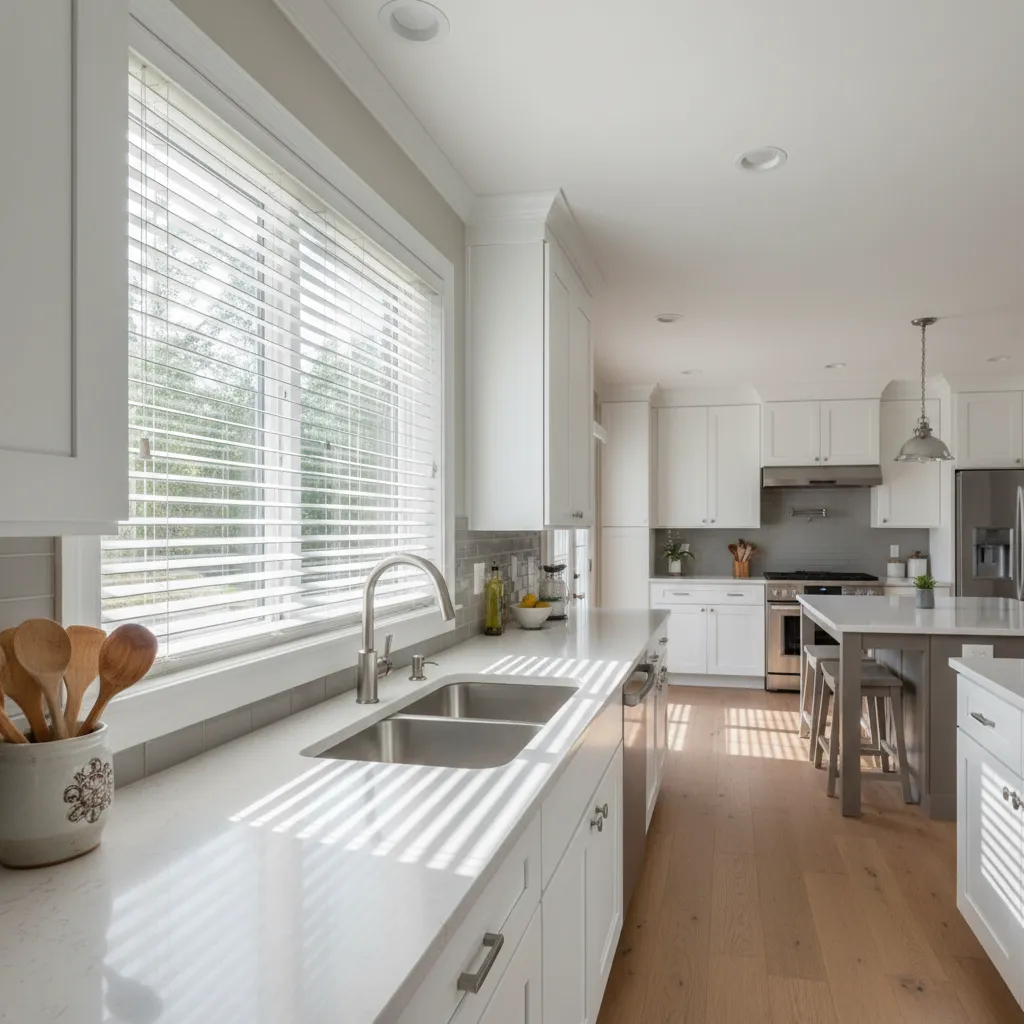
Moisture-resistant faux wood blinds over the kitchen sink balance light, privacy, and easy cleaning.
1. Faux wood and PVC blinds for moisture‑heavy areas
For windows right above a sink or beside a range, faux wood or PVC blinds are a smart pick. They look similar to painted wood, but stand up better to humidity and are easier to wipe. If you like the look of horizontal slats and want the flexibility to tilt them open or closed, these are strong candidates.
We often install faux wood blinds in white or soft greys so they coordinate with popular cabinet colours and countertops in Lower Mainland homes.
2. Simple roller blinds for a clean, wipeable surface
A smooth roller blind in a moisture‑resistant fabric is another kitchen favourite. It has no slats to catch grease and dust, so a quick wipe keeps it looking fresh. Light‑filtering rollers are ideal if your kitchen gets strong sun and you want to cut glare without blocking all the brightness.
For street‑facing kitchens, you might choose a dual setup: a light‑filtering roller blind for daytime and a separate blackout shade or liner (or curtains) for full privacy at night.
3. Sheer or solar shades to cut glare and keep the view
If your window looks out over a backyard or beautiful view, sheer or solar shades can be a good choice. They soften glare while still letting you see outside during the day. Pay attention to openness factor (how tight or open the weave is), as that controls how much light and visibility you get.
Just remember that many sheer fabrics become more transparent at night when indoor lights are on. In fully private yards that may be fine; in tighter neighbourhoods you may want a backup layer for evening privacy.
Bedroom vs. kitchen: comparing popular blind types
Here’s a quick snapshot of how common blind styles tend to perform in bedrooms and kitchens in our experience.
Blind type | Best for bedrooms | Best for kitchens |
Blackout roller shade | Deep sleep, nurseries, shift workers | Non‑splash windows; wipeable fabric |
Honeycomb (cellular) shade | Insulation and noise control | Breakfast nooks; away from splashes |
Zebra / layered shade | Multi‑use rooms needing daylight + privacy | Open‑plan areas away from sink and stove |
Faux wood / PVC blind | Light control where blackout isn’t critical | Top pick for over‑sink windows |
Sheer / solar shade | Use with blackout layer for sleep | Glare control while keeping the view |
Natural Resources Canada notes that windows, doors, and skylights can be responsible for up to about a quarter of a home’s energy loss, so snug, insulating shades help reduce drafts and heating or cooling costs, especially in older homes.
The Sleep–Splash–Style test
Think of each room’s main job: Sleep (bedrooms), Splash (kitchens and bathrooms), and Style (living areas and offices). Choose blinds that handle that job first and still match your colour palette.
Sleep
Bedrooms: blackout or room‑darkening shades plus privacy.
Splash
Kitchens & bathrooms: moisture‑resistant, easy‑wipe materials for steam and splashes.
Style
Living areas & offices: daylight, views, and fabrics that coordinate across rooms.
Bedroom & kitchen blinds: common questions
What are the best bedroom blinds for deep, uninterrupted sleep?
For most people, a true blackout or strong room‑darkening shade with good side coverage works best. Blackout rollers with cassettes or double‑cell honeycomb shades block early‑morning light far better than thin slatted blinds.
Which blinds are safest and most practical for a kitchen window over the sink?
Choose moisture‑resistant materials such as faux wood, PVC, or aluminum, especially above the sink or near a stove, because they handle splashes better than natural wood or delicate fabrics. Stick with cordless or motorized controls so you don’t have dangling cords near water or hot burners, and consider motorized blinds for tall or hard‑to‑reach kitchen windows so you can adjust them without leaning over counters.
Can I use the same blinds in every room?
You can, but you don’t have to. Many Surrey and Vancouver homeowners choose a “family” of products instead: for example, zebra shades in living areas, blackout blinds in bedrooms, and faux wood in bathrooms and kitchens, all in similar colours so the home still feels coordinated.
Do blackout bedroom blinds have to be dark coloured?
No. Many blackout fabrics have a light or white face but a dark backing that blocks light, so your bedroom can look bright and airy by day and still shut out early‑morning sun.
How do I keep kitchen blinds clean without wrecking them?
The key is choosing an easy‑wipe material. Smooth rollers, faux wood, and aluminum slats are easier to clean than textured natural fabrics; most just need regular dusting plus an occasional wipe with a slightly damp cloth and mild soap. This lines up with official Health Canada guidance on keeping high‑touch surfaces clean.
Are Venetian blinds best for bedrooms?
Not for light‑sensitive sleepers. Even when Venetian blinds are fully closed, the small gaps between slats let in thin lines of light. If you want a darker room, blackout rollers or cellular shades usually perform much better.
Why isn’t real wood ideal over a kitchen sink?
Real wood can swell, warp, or peel when it sits in constant steam and splashes. Faux wood or PVC blinds give you the same clean, slatted look but are far more resistant to moisture and everyday wiping.
How Ray Blinds helps you match blinds in every room
The easiest way to choose bedroom and kitchen blinds is to look at the whole home at once. During a free in‑home consultation, we walk through each room, check light direction and privacy needs, and show samples on your actual windows so you can see how fabrics behave in your space.
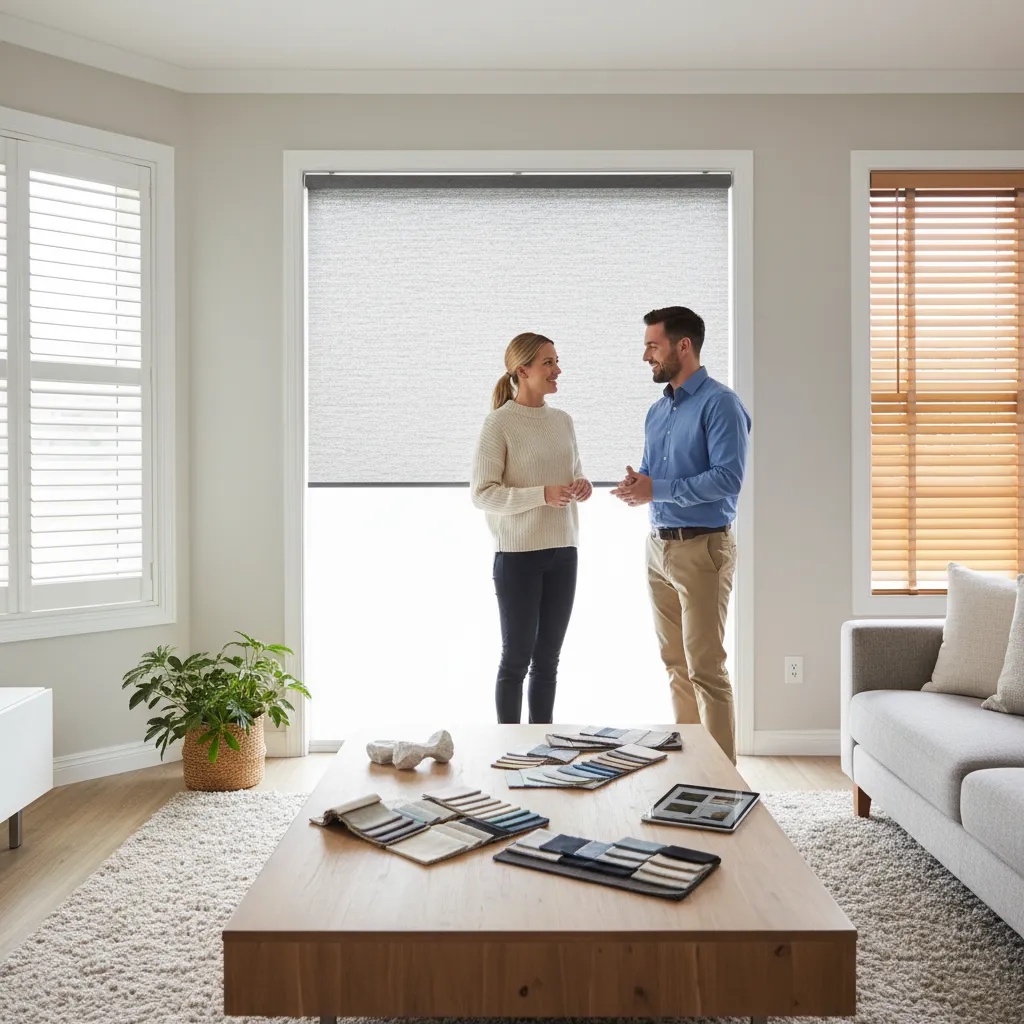
An in-home consultation lets you compare bedroom and kitchen blinds on your actual windows.
Because we design and manufacture custom blinds in Surrey, we can coordinate colours, fabrics, and hardware while choosing different levels of light control for different rooms, then handle precise measuring and professional installation.
This guide is for general information only. For recommendations based on your exact windows, light, and lifestyle, book a free in‑home consultation with our team.
Key takeaway
Bedrooms call for darkness and privacy; kitchens call for light and easy cleaning. When you match blind style and fabric to what each room actually does – and keep colours and hardware consistent – your home feels calmer, cozier, and easier to live in, day and night.