

By the Ray Blinds Installation Team, installers of custom zebra, roller, solar, and motorized blinds across Surrey, Vancouver, and the Lower Mainland.
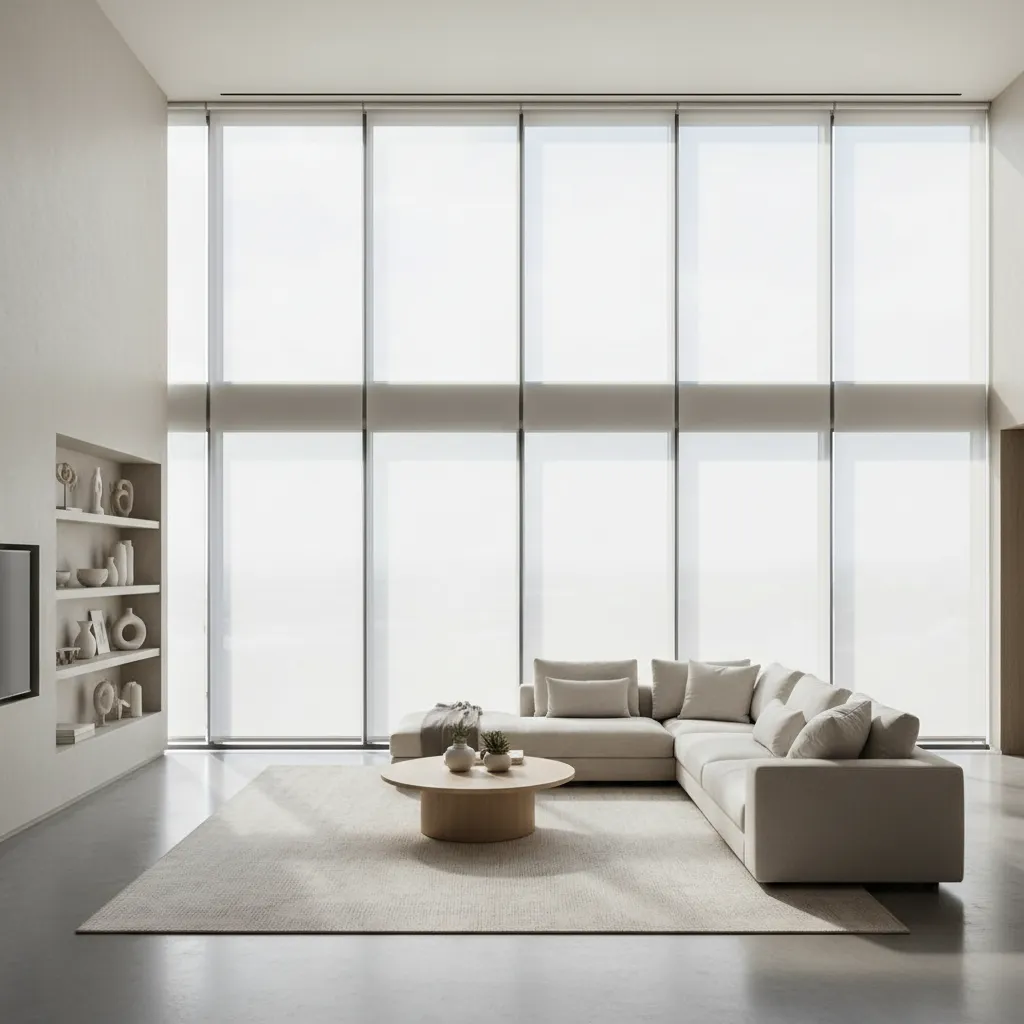
If you have a bright living room with floor-to-ceiling glass or a home office where the afternoon sun hits your screen, you have probably typed solar shades vs roller shades into Google at least once. On paper, they look similar: both roll up and down on a tube, both come in modern fabrics, and both can be made cordless or motorized. But they behave very differently when you care about glare on screens, nighttime privacy, and UV fading on floors and furniture.
Think of this as a no-pressure comparison from a team that installs both every week. We will walk through how solar vs roller shades perform for glare control, privacy (day and night), and UV protection, then give you simple room-by-room suggestions for your home in Surrey, Vancouver, or nearby cities.
TL;DR: solar vs roller shades in one glance
- Glare control: Solar shades are great for daytime glare on big, sunny windows when you still want a view. Roller shades (especially light-filtering or blackout) are better when you want the room much darker.
- Privacy: Standard roller shades win. Solar screen fabrics give decent daytime privacy but are see-through at night when the lights are on.
- UV protection: Both can block high levels of UV. Solar fabrics are engineered to block roughly 90–99% of UV rays depending on openness, while many blackout roller fabrics get very close to full UV block. Independent lab testing of solar shade UV performance supports these ranges.
- Best simple setup: Solar shades for sunny living rooms and home offices; roller shades (often blackout) for bedrooms and street-facing rooms. In some spaces, combining the two or using day–night honeycomb blinds works even better.
Quick comparison: roller vs solar shades
First, a small twist: technically, solar shades are a type of roller shade. Both use the same roll-up mechanism; the big difference is the fabric. Solar fabrics are a woven screen with tiny openings (the “openness factor”), while standard roller fabrics are more solid and come in light-filtering, dim-out, or blackout versions. Solar shade fabric guides explain this in terms of open-weave screen fabrics versus solid light-filtering or blackout materials.
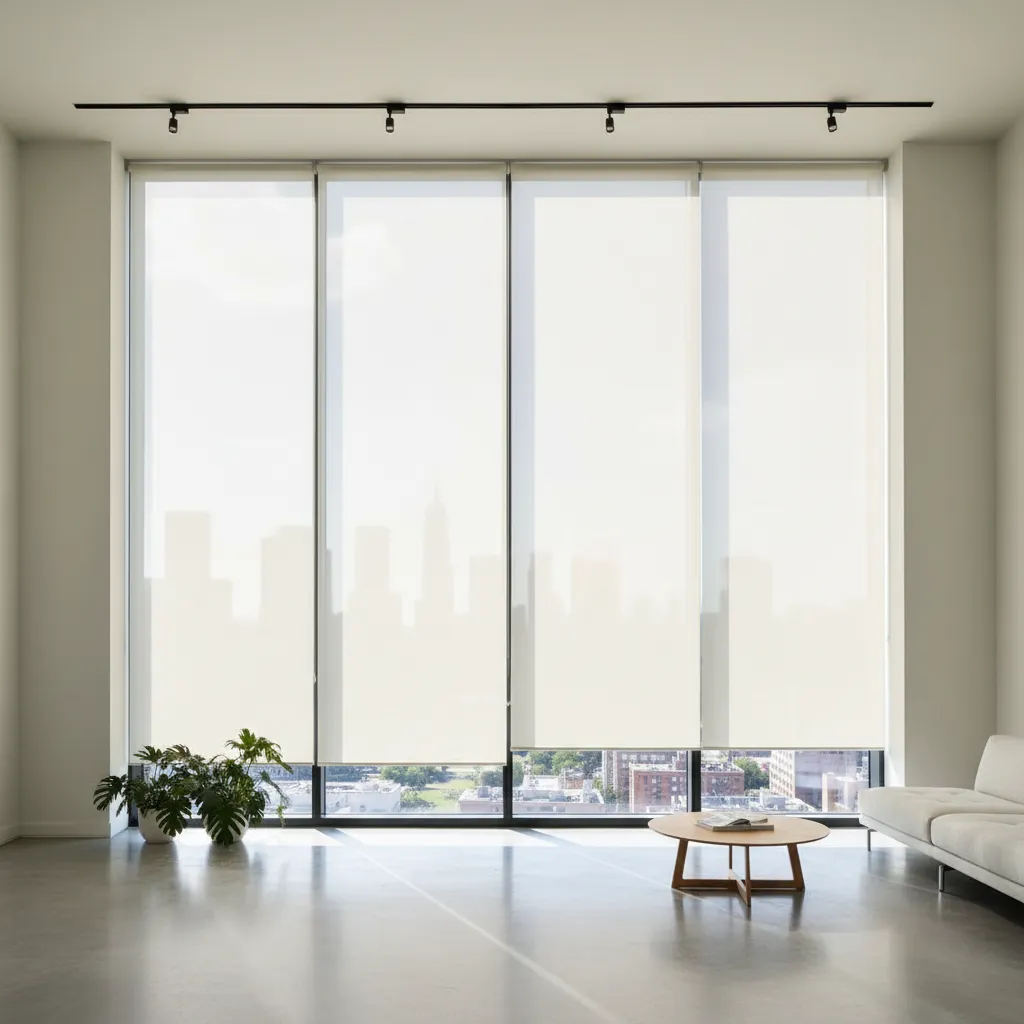
| Feature | Solar shades (screen) | Standard roller shades |
| Look when down | Textured, view-through “sunglasses for your windows.” | Solid fabric; no view through the shade |
| Glare on screens | Excellent for daytime glare when chosen in 1–5% openness | Very good; blackout is strongest but fully darkens the room |
| Daytime privacy | Good (people mainly see shapes, not details) | Strong; people cannot see through the fabric |
| Nighttime privacy | Weak; with lights on inside, you can be seen from outside | |
| UV and fading protection | Blocks most UV while keeping some light and view | Light-filtering blocks a lot; blackout blocks almost all UV |
| Best rooms | Sunny living rooms, home offices, kitchen/dining, view homes | Bedrooms, nurseries, theatre/media rooms, street-facing spaces |
At Ray Blinds, we install both solar screen shades and roller blinds for windows, often in the same home. Which one wins depends less on “which is better” and more on what you want the room to feel like day and night.
What are solar shades?
Solar shades use a technical screen fabric made from tightly woven fibres (often PVC-coated polyester). Instead of being fully solid, the fabric has a measured openness factor – for example, 1%, 3%, 5%, or 10%. A lower number means a tighter weave and less light coming through.
How solar shades behave on real windows
- Daytime: They cut harsh sunlight, reduce glare, and still let you see out. With 1–5% openness, many fabrics block roughly 95–99% of UV rays, according to manufacturer’s solar shade specifications.
- Evening: When it is darker outside and brighter inside, the effect flips — people outside can see in more easily, especially with higher openness fabrics (5–10%). This is a common theme in solar shade openness explanations.
If you want to learn more about openness levels and fabric options, Ray Blinds has a full Solar Shades 101 guide that covers UV ratings and real-world examples.
What are roller shades?
When homeowners talk about “roller shades” they usually mean a solid fabric that rolls up and down. On Ray Blinds’ roller blinds, you can choose from:
Common roller shade fabric types
- Light-filtering: Softens daylight and gives privacy while still glowing a bit. You cannot see clear details through the shade.
- Room-darkening: A thicker fabric that dims the room strongly and improves privacy.
- Blackout: Blocks almost all light and UV through the fabric itself. Paired with the right mount, this is the go-to for shift workers, kids’ rooms, and media rooms.
Roller shades are simple, sit neatly on the window, and can be paired with motorized controls when you want app or voice control. You can explore our range of custom roller blinds to see fabric and control options.
Solar shades vs roller shades for glare control
Picture trying to work in a home office in Langley on a sunny July afternoon. The sun hits your monitor, you squint, then tilt the screen, then give up and pull the shade all the way down. That everyday moment is where the difference between solar and roller really shows.
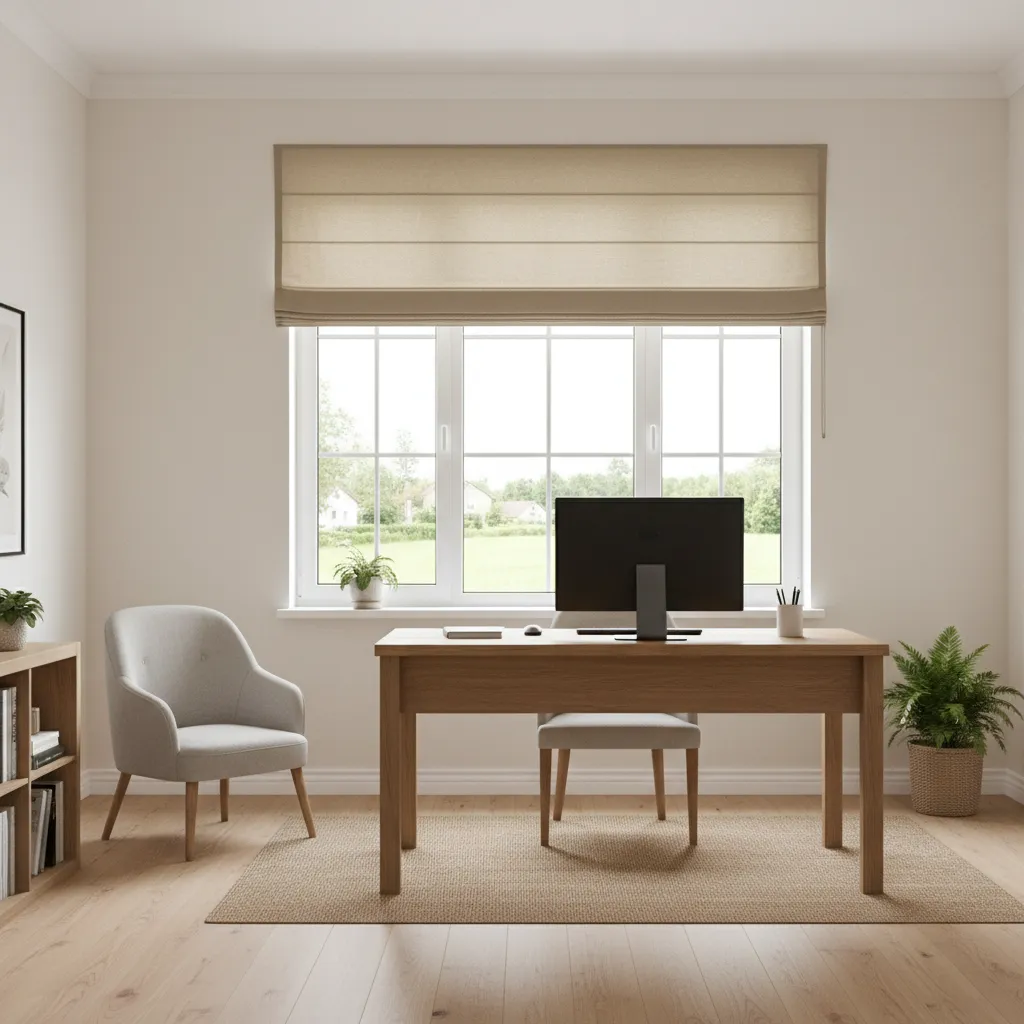
For home offices and TV rooms
- Solar shades: With 1–5% openness, they are very effective at cutting glare on TVs and monitors without plunging the room into darkness. Think “sunglasses” rather than blackout; this is exactly how many solar shade openness describe their performance.
- Roller shades: Light-filtering roller fabrics also reduce glare well, but once they are down, you lose the outside view completely.
For strong south- and west-facing sun
On big glass walls in south- or west-facing rooms, solar fabrics in the 1–3% range can tame harsh low-angle sun and cut reflections on floors, countertops, and screens. In homes where we have installed both, clients often tell us the room finally feels usable in the afternoon.
For daytime glare on big windows, solar shades often feel like sunglasses for the entire room.
If you rarely use a room during the day (for example, a theatre room), a blackout roller shade can still be the better match because it lets you make the room very dark on demand.
Which gives better privacy, day and night?
Daytime privacy
During the day, solar shades with lower openness (1–5%) give decent privacy: people outside mainly see soft shapes, not clear details, while you still see out. For homes backing onto green space or higher floors in condo towers, this is often enough.
Light-filtering roller shades give stronger daytime privacy because the fabric is solid; silhouettes are softened more, and you are not on display even if a neighbour is fairly close.
Nighttime privacy – A key difference
At night, the story changes completely:
- Solar shades: With lights on inside and darkness outside, solar fabrics become see-through from the street side. This is just how physics and contrast work, and it applies even to many 1–3% openness fabrics, as explained in solar shade privacy articles from window-covering experts.
- Roller shades: Light-filtering and blackout rollers both keep inside life private at night, especially when they are sized properly and mounted to cover the frame.
So, which is better for privacy?
For bedrooms, nurseries, and street-facing living rooms, we almost always recommend roller shades (often blackout) or honeycomb blinds, sometimes paired with curtains for extra softness.
Solar shades shine in view-focused spaces where you care more about daytime comfort and less about full nighttime coverage: living rooms above ground level, kitchens with backyard views, or condos overlooking the water.
UV protection and fading: how each option performs
UV rays do not stop at the glass. Standard window glass blocks most UVB but lets a good slice of UVA reach you and your interiors, which is why hardwood floors, artwork, and even skin near sunny windows can still be affected over time. Guidance from the Skin Cancer Foundation on UV through windows highlights this issue.
Solar shades and UV
- A 1% openness solar fabric often blocks about 99% of UV rays; 3–5% fabrics usually block around 95–97%, according to solar shade UV-blocking specifications.
- They also reduce solar heat gain and glare while letting you keep some connection to the outdoors, which lines up well with Energy Department guidance on energy-efficient window coverings.
Roller shades and UV
Solid roller fabrics are also strong performers:
- Light-filtering rollers: Block a large share of UV (exact numbers depend on fabric), while brightening the room with diffused light.
- Blackout rollers: Block almost all UV through the fabric itself; any stray light usually comes from small edge gaps.
From a fading and comfort standpoint, both solar and roller shades help. The choice comes down to whether you want UV protection with a view (solar) or UV protection with full privacy and stronger darkening (roller or blackout).
Cost, maintenance, and style
Cost
In the Ray Blinds showroom, solar and standard roller shades usually sit in a similar price neighbourhood for comparable fabric quality and control options. Extras like cassette valances, bigger widths, or motorized blinds add more to the quote than the choice between solar vs solid roller fabric itself.
Maintenance
- Both styles are low maintenance: regular dusting with a soft brush or vacuum attachment goes a long way.
- Solar screen fabrics are a bit more forgiving for minor dust because of the texture; smooth roller fabrics can show marks slightly more but are often easier to spot-clean.
Style and design choices
Roller shades give you the widest range of colours, textures, and blackout options. Solar shades lean toward a clean, architectural look, especially on large glass walls or patio doors. If you want more visual texture, you can pair either with side panels or sheers.
Room-by-room picks for your home
Here is how our installers at Ray Blinds often match products in Surrey and Greater Vancouver homes, based on what homeowners tell us they are trying to fix: glare, heat, privacy, or sleep.
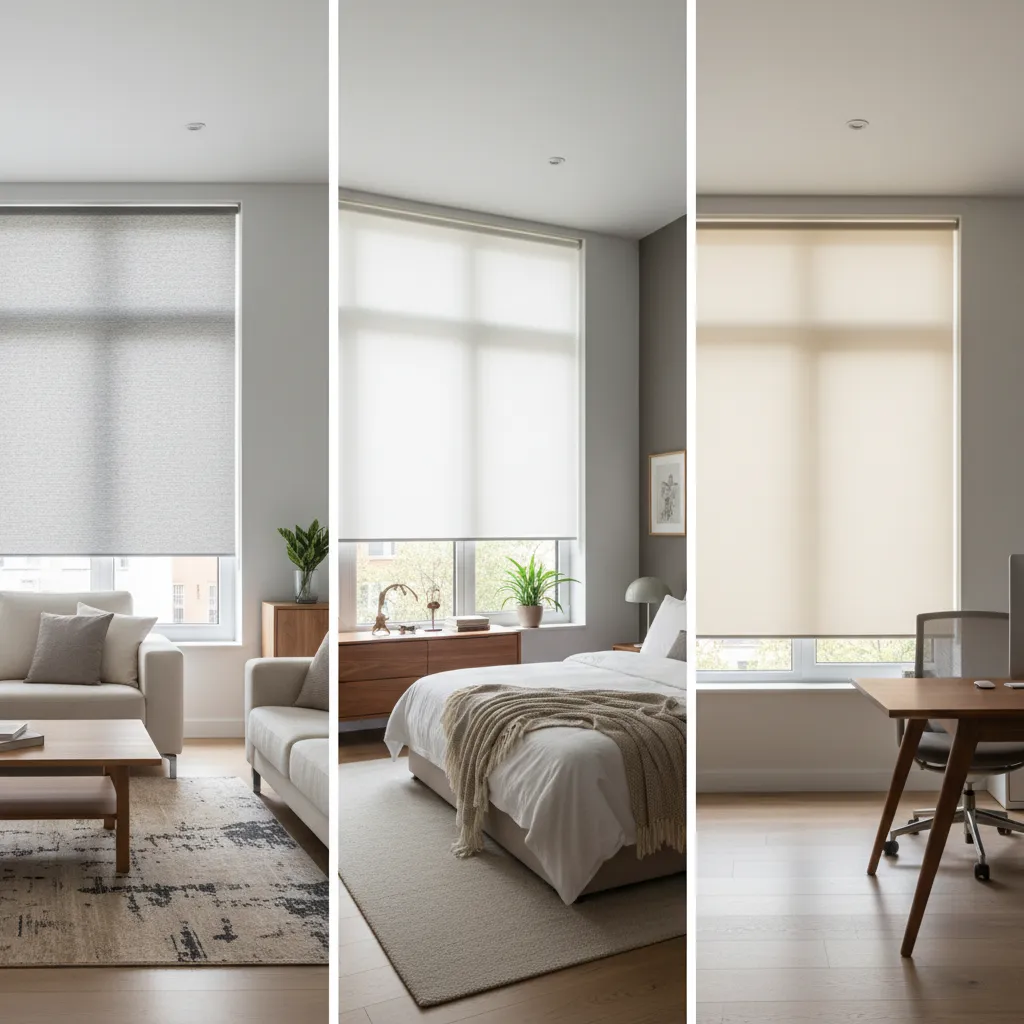
Living room with big windows or a view
- Main concern: Daytime glare and UV on floors/furniture, while keeping the view.
- Good pick: Solar shades in 3–5% openness, sometimes paired with decorative curtains for evening privacy.
- Alternative: Zebra blinds if you like more flexible light control with a modern look.
Bedrooms and nurseries
- Main concern: Sleep, nighttime privacy, and sometimes streetlights.
- Good pick: Blackout roller shades or day & night honeycomb blinds that give you a bright daytime mode and darker nighttime mode in one shade.
- Where solar fits: Layered behind curtains if you love your daytime view but still want strong coverage at night.
Home office
- Main concern: Glare control on screens from 9–5.
- Good pick: Solar shades in 1–5% openness for daytime comfort, or zebra/roller shades if you want stronger nighttime privacy when the office doubles as a guest room.
Kitchen and dining
- Main concern: Heat and glare during meals, easy cleaning.
- Good pick: Solar shades or light-filtering roller shades in wipeable fabrics.
Media rooms and theatres
- Main concern: Darkening on demand.
- Good pick: Blackout roller shades sized to overlap the frame, sometimes with side channels, plus curtains if you want a softer finish.
If you are not sure how much overlap or depth you need for a dark bedroom or media room, Ray Blinds has a full how to measure for blinds guide, and our installers re-check every measurement during a free in-home visit.
When it makes sense to mix solar and roller shades
Many Lower Mainland homes end up with a mix of solutions. A few combinations we see often:
- Solar in main living areas, blackout rollers in bedrooms: You get a bright, comfortable daytime feel where you spend your day, and proper darkness where you sleep.
- Solar on tall windows, roller on patio doors: In open-plan living rooms, solar shades on the upper windows plus roller blinds or vertical blinds on sliding doors can work well.
- Motorized solar + manual rollers: Some homeowners motorize the hard-to-reach solar shades facing the sun and keep manual blackout rollers in bedrooms to control budget while still gaining convenience where it matters most.
For more ideas on light-control combinations, you can also browse Ray Blinds’ projects gallery and blog, including the detailed Solar Shades 101 guide and articles on blackout and sheer horizontal shades.
Need help in Surrey or Vancouver? How Ray Blinds can guide you
Picking between roller vs solar shades on a screen is one thing; seeing how they handle your actual sun exposure and privacy concerns is another. During a free in-home consultation, our team at Ray Blinds brings samples of roller, solar, zebra, and honeycomb blinds so you can see them on your own windows, in your own light.
We will ask simple questions about each room: how bright you like it, who sleeps there, what you can see from the sidewalk, and whether smart controls would make life easier. From there, you get clear recommendations and pricing, with measuring and installation handled by the same local team.
About the Ray Blinds Installation Team
The Ray Blinds Installation Team measures, manufactures, and installs custom blinds and shades across Surrey, Vancouver, and the Lower Mainland. From solar shades on west-facing condos to blackout roller blinds in family homes, they work with homeowners every day to solve glare, privacy, heat, and sleep issues with the right window coverings.