

By the Ray Blinds Installation Team, installers of custom zebra, roller, and motorized blinds across Surrey and Greater Vancouver.
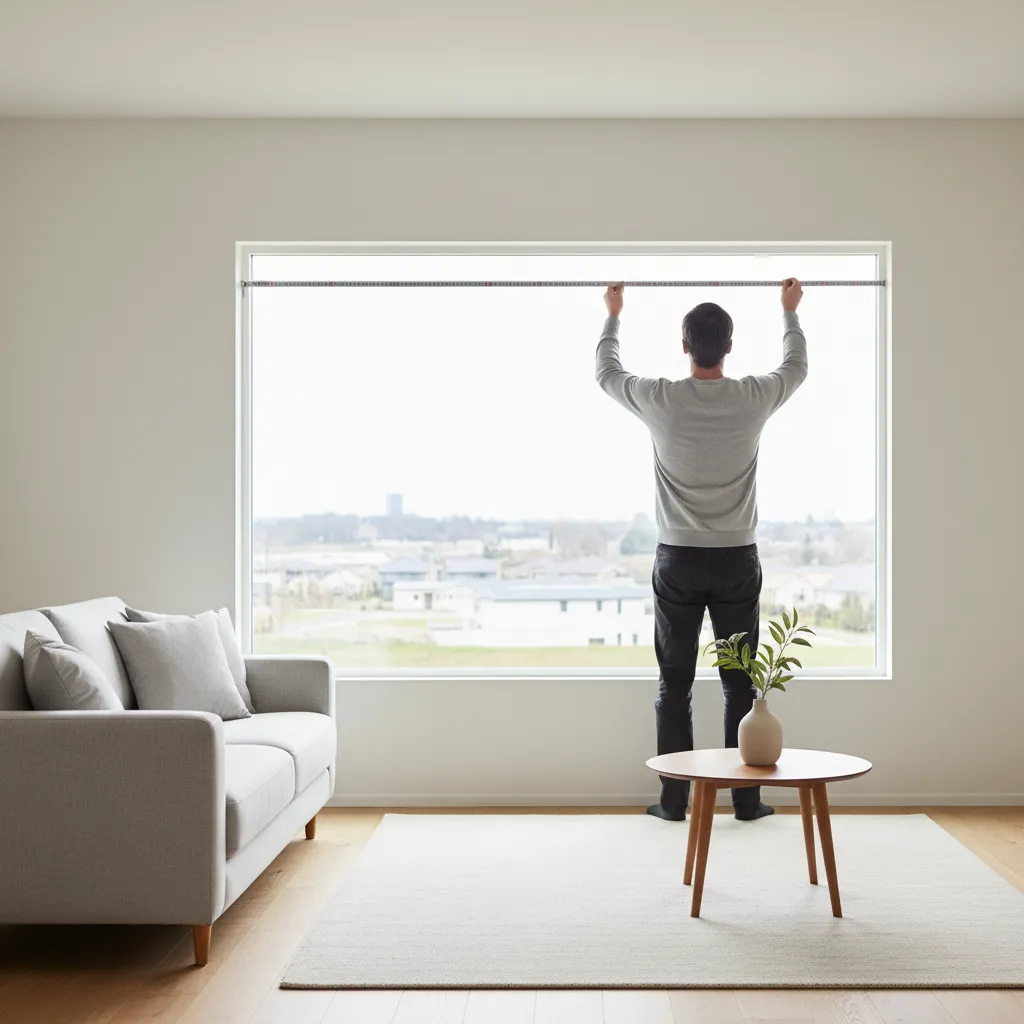
If you’ve ever ordered blinds that arrived just a bit too small or scraped the sill every time you pulled them down, you know how frustrating a bad measurement can be. The good news is that the same simple steps our installers use in Surrey living rooms and high-rise condos work just as well with a regular tape measure at home. In this guide, you’ll learn how to measure for blinds the way professionals do, so your new shades look built-in, not “almost right.”
We’ll cover inside mount and outside mount, tricky trim, shallow frames, and the Ray Blinds 3×3 measuring method (three widths, three heights, plus a depth check) every blind installer swears by.
TL;DR: quick measuring checklist
- Decide for each window: inside mount (clean, fitted look) or outside mount (more coverage, hides flaws).
- Use a steel tape measure and measure in millimetres or 1/8″ increments.
- Inside mount: measure width at top, middle, bottom; record the smallest. Measure height left, centre, right; record the largest. Check frame depth.
- Outside mount: choose how far past the opening you want blinds to extend, then measure total desired width and height.
- Write each window’s numbers clearly and label by room and side (e.g., “Living room – left window”).
- Still unsure? Book a free in-home measure with Ray Blinds in Surrey and let our team handle it.
Before you start: tools, mount type, and measuring rules
Tools you actually need
- Steel tape measure (flexible sewing tapes stretch and throw off measurements).
- Pencil and notepad or your phone’s notes app.
- Step stool or small ladder.
- Carpenter’s level (handy for older homes where “level” is up for debate).
Inside mount vs outside mount: quick rundown
Every measuring decision starts here. When clients in Surrey ask how to measure windows for blinds, this is the first thing we sort out during a Ray Blinds consultation.
- Inside mount: Blinds sit inside the window frame. This gives a clean, built-in look and works well with blackout blinds and honeycomb shades when there’s enough depth.
- Outside mount: Blinds sit on the wall or trim and cover the opening. Great for shallow frames, patio doors, or when you want extra darkness in bedrooms.
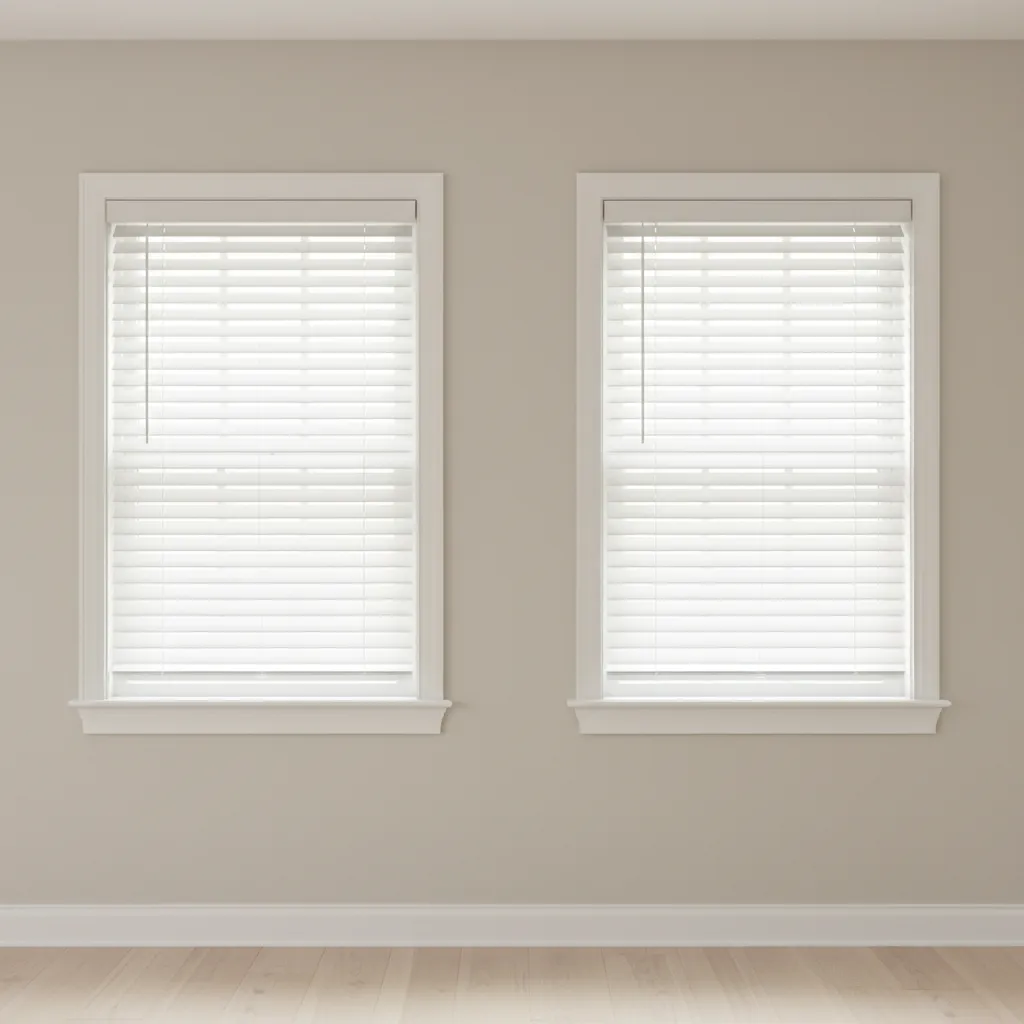
“For inside mount, think: frame like a picture. For outside mount, think: cover like a curtain.”
Once you’ve chosen the mount for each window, you’re ready for step-by-step measuring.
Step 1: Decide inside mount or outside mount for each window
Walk room by room and answer these three questions for each window:
- Is the frame deep enough? Most standard blinds need about 2″–3″ of depth; some zebra shades and motorized cassettes need more. If your frame is shallow, outside mount is usually safer.
- How much light blockage do you want? For true dark bedrooms, many homeowners pick outside mount blackout shades, sometimes paired with curtains.
- Is the frame square and in good shape? If the frame is very uneven or damaged, an outside mount can hide a lot of sins.
Write your decision next to each window on your list: “inside” or “outside.” This keeps your measuring plan clear, especially if you’re handling a whole house.
Step 2: How to measure windows for blinds – inside mount
Inside mounts are where precision really shows. Here’s the 3×3 rule our installers use every single day.
1. Measure inside width in three places
- Hold the tape inside the frame at the top and measure from left jamb to right jamb. Note the number.
- Repeat across the centre of the opening.
- Repeat again at the bottom, just above the sill.
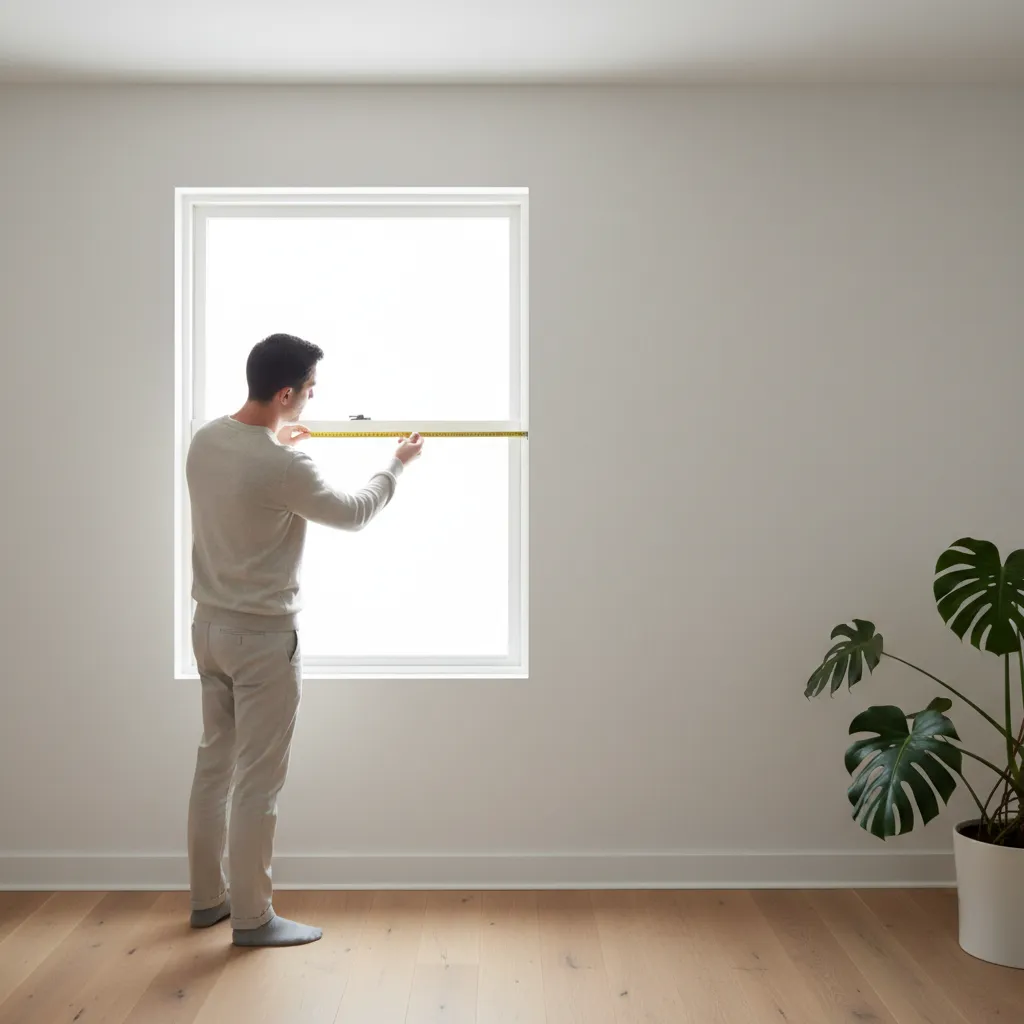
Write down the smallest width. That’s your “finished” width for most custom blinds. Using the tightest spot keeps the blind from rubbing or getting stuck.
2. Measure inside height in three places
- Measure from the inside top of the frame down to the sill on the left side.
- Measure the centre the same way.
- Measure the right side.
Write down the largest height. This ensures the blind reaches the sill even where the opening is tallest.
3. Check frame depth
For inside mount, depth can make or break the look. Here’s how to check it:
- Place the tape at the inside edge of the frame where the blind will sit.
- Measure straight out to the edge of any obstruction: handles, cranks, or trim.
- Compare that measurement to the depth requirement of the blind style you like.
Not sure about depth requirements for products like cassette rollers or sheer horizontals? During a free in-home visit, our team brings samples of roller and sheer shades so you can see the projection right on your window.
Step 3: How to measure windows for blinds – outside mount
Outside mount gives you more forgiveness and more coverage. It’s a favourite for rental suites, sliding doors, and kids’ rooms where light control matters.
1. Decide how far you want blinds to extend
- Width: Most people go 1½”–3″ past the opening on each side. For bedrooms, going a little wider helps block side light gaps.
- Height: For regular windows, run blinds 2″–4″ above the opening and down past the sill or baseboard. For patio doors, measure from the top line where you’ll mount the headrail down almost to the floor, leaving enough clearance for flooring transitions.
2. Measure outside width once
- Mark where you want the blind to start on the left (usually just outside the trim).
- Mark where you want it to end on the right.
- Measure between those marks and record the total width.
3. Measure outside height once
- Mark the top line where the brackets or cassette will mount.
- Measure down to your chosen bottom point.
- Add a bit of extra length for full coverage if you prefer a slight overlap.
4. Special cases: patio doors and bay windows
- Patio doors: For vertical blinds or large roller shades, many homeowners in Vancouver condos choose outside mount to clear the handle and maximize glass coverage.
- Bay and bow windows: These benefit from professional measuring. One misread angle can leave gaps. If you’re asking yourself “how do I measure windows for blinds in a bay?”, that’s a strong sign to call us for a free measure.
Common measuring mistakes our installers see (and how to fix them)
After years of measuring and installing blinds, we see the same handful of slip-ups over and over. Avoid these and your blinds are far more likely to fit the first time.
- Rounding up measurements. Even an extra ⅛” can make blinds scrape the frame, so always record the exact number you see.
- Measuring only once. Frames settle over time; without three width and three height checks, you can miss the narrowest or tallest point.
- Ignoring handles and cranks. Casement hardware often gets in the way. When in doubt, choose a cassette and outside mount to clear it.
- Mixing up width and height. Keep a simple template like “W x H – Inside/Outside – Room name” beside every number to stay organized.
- Forgetting about overlapping trim. Deep decorative trim can clash with brackets and cassettes, so confirm you have enough clearance.
Energy advisors, including BC Hydro’s Power Smart team and other utility programs, often point out that well-fitted blinds and shades help reduce drafts and heat loss around older windows. That payoff starts with the tape measure.
What to do with your measurements: turning numbers into perfect blinds
Once you’ve done the hard part, you can match each window to the right style:
- Bedrooms needing darkness: inside or outside mount blackout roller shades or honeycomb blinds.
- Living rooms and kitchens: light-filtering zebra shades or roller blinds with inside mount for a tidy finish.
- Smart homes: motorized blinds with inside mount where depth allows, outside mount where frames are shallow.
Bring your width, height, depth, and mount choice to your blinds supplier. At Ray Blinds, we re-measure during your free consultation so everything is confirmed on-site before we manufacture.
FAQ: how do you measure windows for blinds?
How do you measure windows for blinds in an older home?
Use the full Ray Blinds 3×3 measuring method: three widths, three heights, plus a depth check. Older frames almost always have a “tight spot.” Use the smallest width and the largest height, and consider outside mount if things are very uneven.
How do I measure windows for blinds if I want blackout?
If blackout is the goal, an outside mount is your friend. Measure wider and taller than the opening so the fabric overlaps the frame. Pairing outside mount blackout rollers with lined curtains gives excellent results for shift workers and kids’ rooms.
Should I measure in inches or centimetres?
Either works as long as you stay consistent. Many Canadian manufacturers like us at Ray Blinds work in millimetres because it reduces rounding errors. If you’re not sure, ask your supplier which units they prefer before you start.
What if my measurements and the installer’s measurements are different?
This happens all the time. Don’t worry. When you book with us, the final size we manufacture is always based on our installer’s confirmed numbers, not your first draft. Your notes are still helpful for quoting and product selection.
Get professional measuring and installation in Surrey & Greater Vancouver
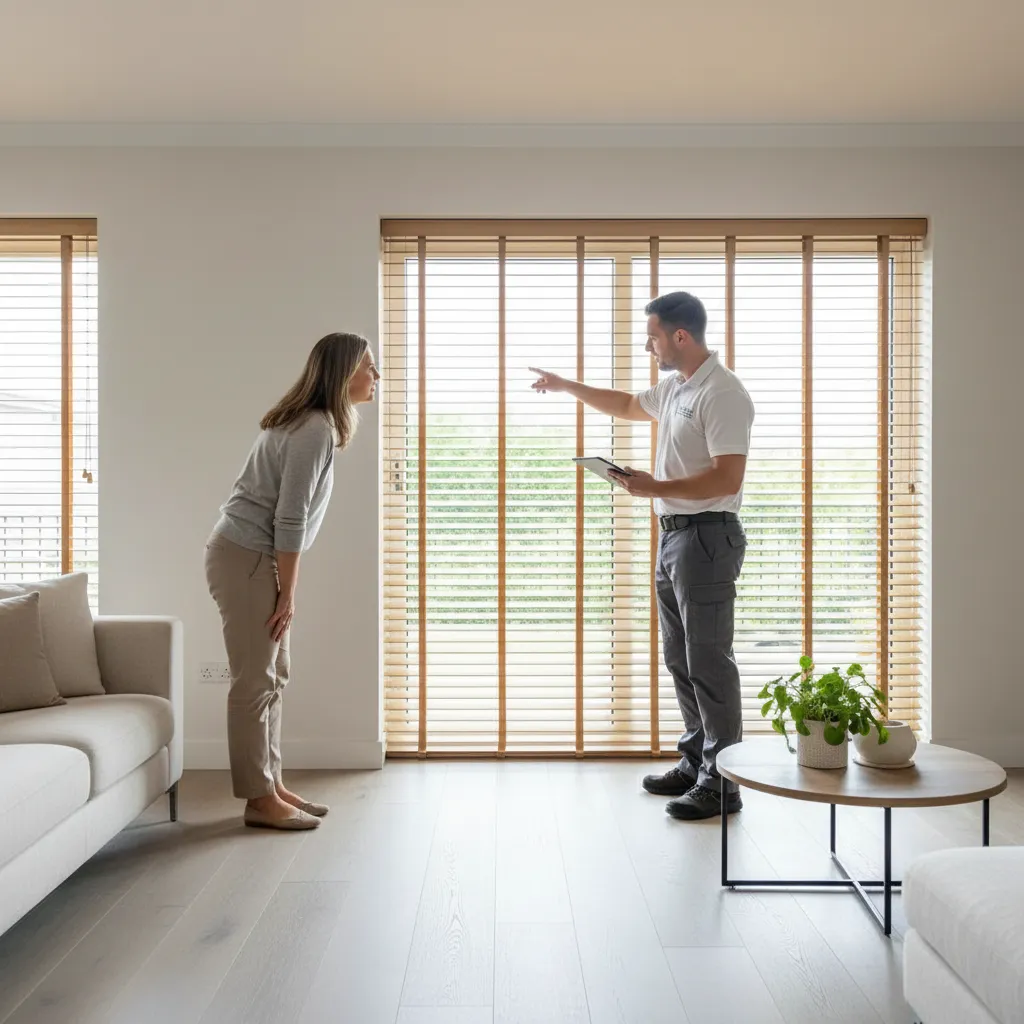
You don’t need to become a measuring expert to get great blinds. Our team at Ray Blinds measures, manufactures, and installs custom blinds and shades across Surrey, Vancouver, and the Lower Mainland.
- Free in-home design and measuring visit.
- Samples of zebra, roller, honeycomb, and sheer shades brought right to your windows.
- Local manufacturing for faster turnaround.
- Professional installation so everything fits and operates smoothly.
Ready for exact-fit blinds? Get a free quote and let our installers handle the tape measure.
Key takeaways
- Decide mount type (inside vs outside) for each window before you measure.
- For inside mount, use the smallest width and largest height from three measurements.
- Check frame depth so your chosen blind style has room to sit and operate.
- For blackout and shallow frames, outside mount often gives better results.
- When in doubt, a free professional measure removes the risk.
Get Custom Blinds for Your Home
Want blinds measured and fitted properly? Ray Blinds provides custom blinds and window covering support for homes in Surrey, Langley, Vancouver, and across the Lower Mainland.