

Choosing how your new blinds sit on the window frame sounds simple, right up until the tape measure comes out. Friends mention inside mount, show you photos of outside mount, and suddenly you’re squinting at trims and drywall wondering what will actually look built‑in and still block light. That’s where the inside mount vs outside mount blinds question really starts to matter.
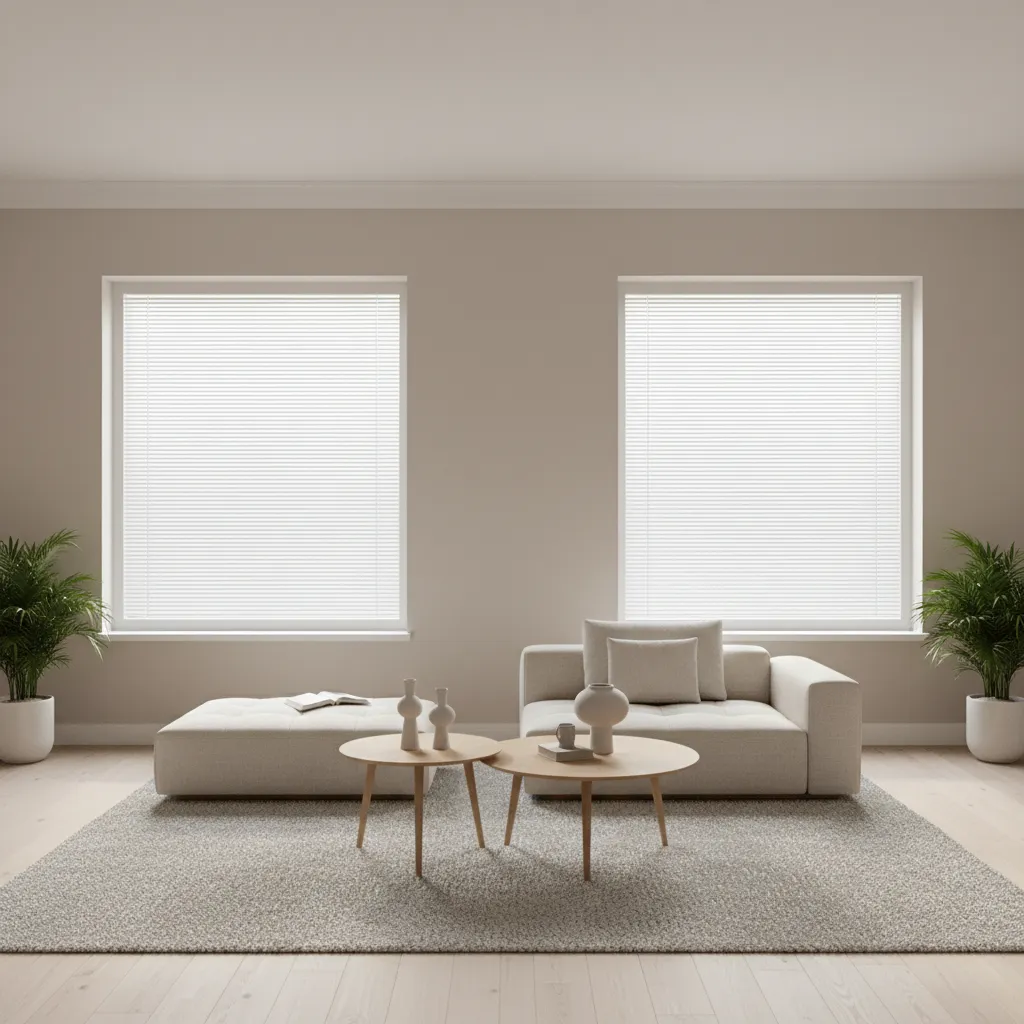
A contemporary living room where one window uses an inside mount blind and the other uses an outside mount blind, showing how each style changes the look of the trim.
In this guide, we’ll walk through when inside vs outside mount blinds make sense, how each style changes the look of your trim, and what works best for light control, privacy, and tricky windows we see every week in Surrey and across Metro Vancouver.
TL;DR: Quick answer
- Choose inside mount if you have decent frame depth, square/openings, and want a neat, built‑in look.
- Choose outside mount if you want maximum blackout, have shallow or uneven frames, or want the window to look larger.
- Still unsure? A free in‑home consultation with a Ray Blinds specialist can show you both options on your actual windows.
Inside vs outside mount blinds: what’s the difference?
What is an inside mount blind?
An inside mount blind sits inside the window frame. The headrail or cassette is installed on the top of the frame, and the fabric or slats hang down between the sides of the trim. You still see most of the casing, and the blind feels a bit like it’s part of the window.
Inside mount works well for many zebra blinds, roller shades, and honeycomb shades when the frame is straight and deep enough to hold the hardware.
What is an outside mount blind?
An outside mount blind is installed on the wall or on the face of the trim, so it overlaps the window opening. The blind covers the frame rather than sitting inside it.
This mount style is handy when frames are shallow, not perfectly square, or you need better light blocking. It’s also a great trick for making smaller windows in condos and townhomes look taller and wider.
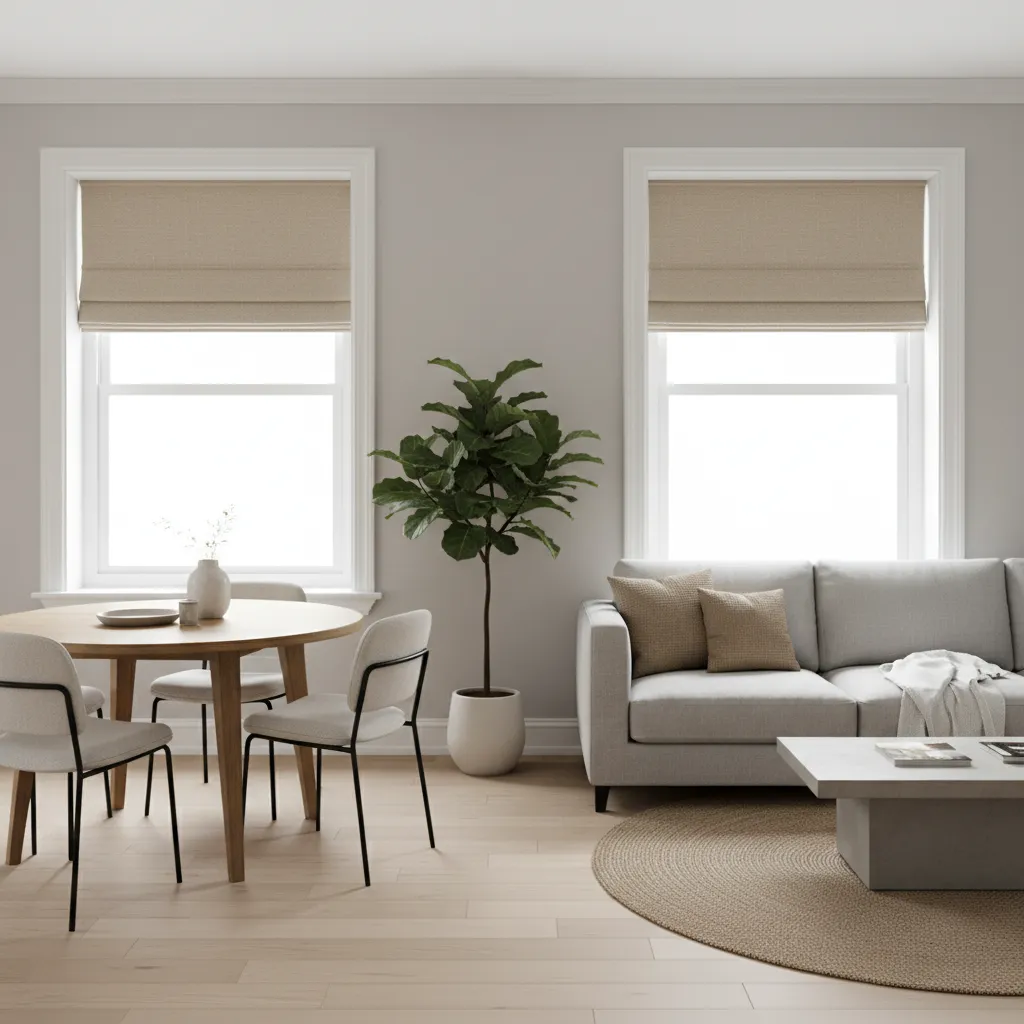
Side‑by‑side windows showing an inside mount blind that sits within the frame and an outside mount blind that extends past the trim onto the wall.
Inside mount
Blind fits inside the frame; trim stays visible.
Outside mount
Blind overlaps the frame and covers more of the wall.
Inside mount shows off your trim; outside mount lets the blind become the frame.
Quick checklist to choose the right mount (Depth–Light–Look test)
Not sure whether blinds inside mount vs outside mount will suit your place? Run your windows through this simple Depth–Light–Look test:
- Depth check: Do you have at least about 2″–2.5″ of clear frame depth for the headrail or cassette? As a rule of thumb, if your usable depth is under about 2″, it’s safer to plan on an outside mount for most roller and zebra shades.
- Light check: Is this room for sleeping (maximum darkness) or daytime living (soft light is fine)? Bedrooms and media rooms usually benefit from an outside mount; living areas can often stay inside mount.
- Look check: Do you want to see the casing and keep trim exposed, or would you rather cover the frame to hide gaps, uneven drywall, or older finishes?
Also glance at the trim: is it straight and square, or wavy and out of level? And watch for obstructions such as door handles, window cranks, alarm sensors, or tiles around the frame that could affect where hardware can sit.
If you’re still torn after that, let one of our consultants measure and show you mock‑ups during a free in‑home blinds consultation.
Pros and cons of inside mount blinds
Why do people love inside mount
- Clean, built‑in look. The blind sits neatly inside the frame, which works beautifully with modern trim and drywall returns.
- Shows off casing. If you paid for nice wood trim, you still get to see it.
- Better for layering. You can add drapery panels outside the frame over an inside‑mounted roller or zebra shade for a designer look.
- Great for inside‑mount shades on doors. On patio doors with decent depth, inside mounting keeps the shade from sticking too far into the room.
Limitations of inside mount
- More light gaps. You’ll usually have small gaps on the sides, especially with roller and zebra shades. For most living areas this is fine; for media rooms and nurseries, not always.
- Needs frame depth. Shallow vinyl or aluminum frames can cause the cassette to project past the wall, which can look bulky.
- Exposes wavy frames. If the opening is very out of square, gaps can look uneven.
We often recommend inside mount blinds for living rooms, kitchens, and home offices where style and a tidy look matter more than blackout. Pair them with motorized controls if you want that smooth, modern feel.
Pros and cons of outside mount blinds
Why outside mount works so well
- Better darkness. Because the blind overlaps the trim, there’s less light sneaking around the sides. For true blackout, we’ll often combine outside‑mounted blackout blinds with side channels.
- Hides imperfections. Older homes in Vancouver often have settled frames and patched drywall. Outside mount covers a lot of that and gives the whole window a fresh outline.
- Makes windows feel larger. Mounting the blind higher and wider than the frame tricks the eye into seeing a taller, grander window. It’s the same visual trick interior designers use when they hang window treatments higher and wider to make a small living room feel bigger.
- Works on shallow frames. If there’s just not enough depth for hardware, outside mount is usually the most practical choice.
Trade‑offs with outside mount
- Covers trim. You’ll see more blind and less casing. That’s great in some rooms, less desirable where the trim is a feature.
- Needs solid mounting surface. On some tiled surrounds or steel lintels, we may need special anchors or brackets.
Scenario: In many street‑facing Surrey townhouses, we see bedrooms where headlights and early sun slip around older inside‑mount blinds. Switching to outside‑mount blackout rollers, run 3″ higher and 3″ wider on each side, typically reduces glare and makes sleep‑ins easier.
The Sleep Foundation notes that nighttime light exposure can disrupt melatonin and sleep‑wake rhythms, so outside‑mount bedroom blinds that block headlight and early‑morning light can support deeper, more restful sleep.
How to measure for each style
If you’re just getting a ballpark before booking professional measuring, here’s how to think about it. For step‑by‑step diagrams and minimum depth guidelines.
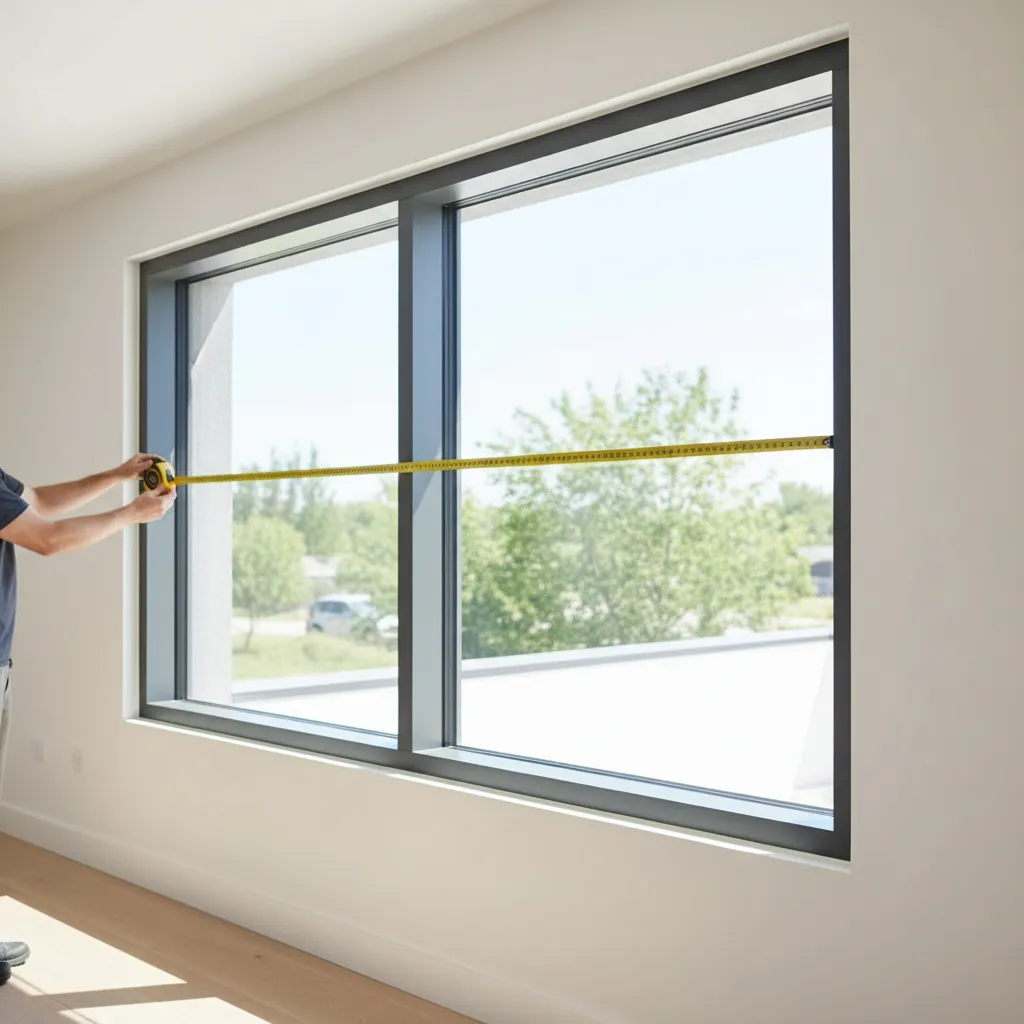
Measuring the width, height, and depth of the window frame helps decide whether inside mount or outside mount blinds will fit and look better.
Measuring for inside mount blinds
- Width: Measure inside the frame at the top, middle, and bottom. Note the smallest number.
- Height: Measure inside the frame on the left, centre, and right. Note the largest number.
- Depth: Measure from the front of the frame to the glass (or obstruction) in a few spots.
Manufacturers apply their own small deductions for a good fit, so we just need the real opening size. When we come for a professional measure and quote, we also check for things like tiles, handles, and sloped sills that can affect inside vs outside mount blinds.
Measuring for outside mount blinds
- Width: Decide how far past the frame you want the blind to reach, then measure that full width. As a simple rule of thumb, start with about 2″–3″ of overlap on each side for better coverage.
- Height: Measure from where the headrail will sit (top of casing or wall) to just below the sill or to the point you want the blind to end.
- Check obstacles: Look for sconces, cupboards, or crown moulding that might limit how high or wide we can go.
Rule of thumb: For outside mounts in bedrooms, aim for at least 3″ above the top of the frame and 2″–3″ on each side to help cut light leaks and create a taller, more luxurious look.
Not a fan of ladders and numbers? You’re exactly why we handle measuring, manufacturing, and installation as one package. We take precise measurements, build the blinds in our Surrey facility, and then install them so they run smoothly for years.
Canada’s Natural Resources Canada notes that windows, doors, and skylights can account for roughly a quarter of a typical home’s energy loss. Well‑fitted blinds and shades help reduce drafts and heat gain around the glass, keeping rooms more comfortable.
Style tips for common window types
Here are patterns we see again and again in local homes when choosing between blinds inside mount vs outside mount.
Small condo windows
In many Surrey and Burnaby condos with smaller, shallow‑framed windows, we often suggest:
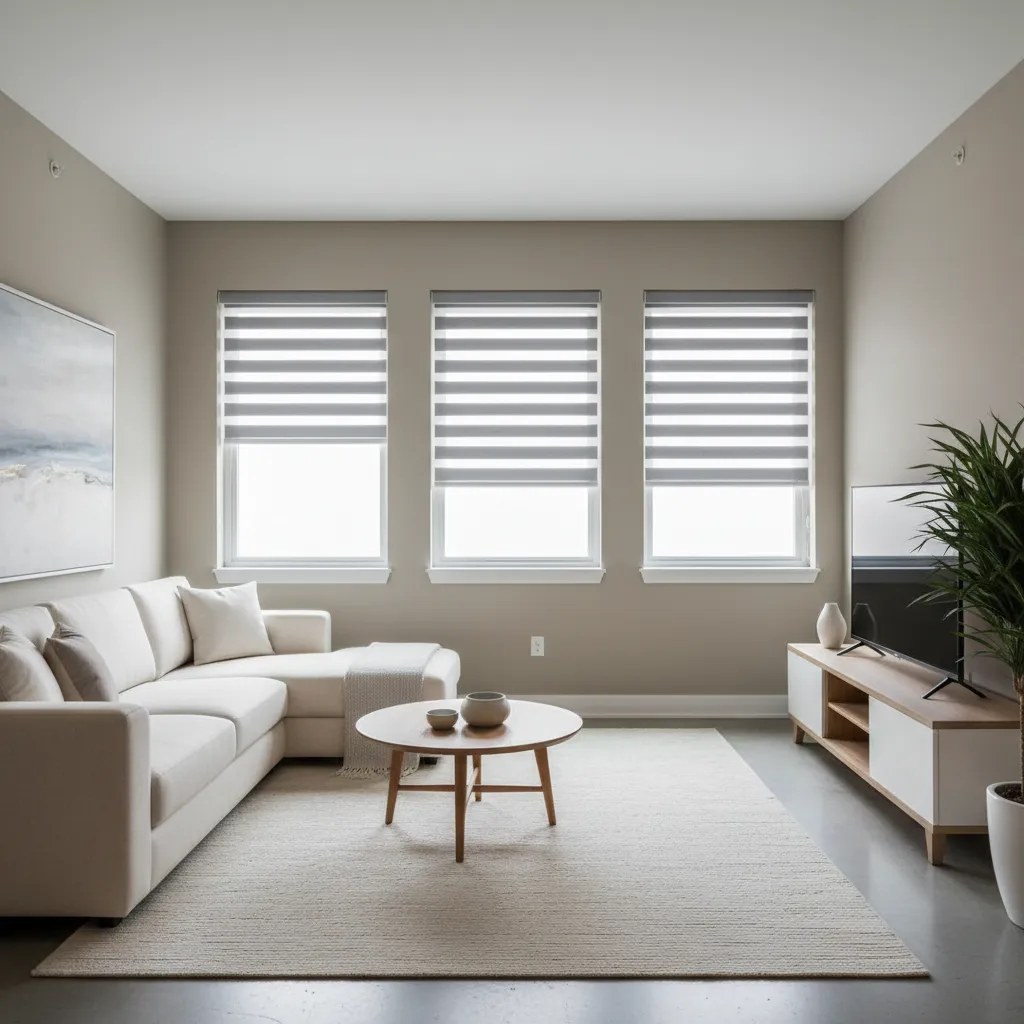
Small condo living room with shallow‑framed windows using outside mount roller blinds hung slightly higher and wider to make the windows feel larger.
- Outside mount roller or zebra shades hung a bit higher than the frame to stretch the window visually.
- Light‑filtering fabric in living spaces, honeycomb or blackout fabrics in bedrooms.
Street‑facing bedrooms
If headlights, bus stops, or bright building signage shine into the room, go for:
- Outside mount blackout blinds that run wider than the casing.
- A darker cassette colour to blend into painted drywall if you want a quiet look.
Bay and bow windows
For bay and bow windows, we usually recommend:
- Inside mount on each section keeps things tidy and lets the angles breathe.
- Low‑profile roller blinds or sheer shades work better than bulky wood blinds in tight corners.
FAQ: inside mount vs outside mount blinds
Is it better to inside mount or outside mount blinds?
Neither is “better” across the board. Inside mount looks sleek and works best when frames are deep and square. Outside mount wins when you care more about blackout, have shallow frames, or want to hide flaws and gaps.
Do outside mount blinds make windows look bigger?
Yes. Mounting them higher and wider than the opening gives the illusion of taller windows and more glass, similar to hanging drapery panels above the frame.
Can you inside mount blinds in a shallow window?
Sometimes, especially with slimmer hardware. But if the cassette or headrail would stick too far into the room, we’ll usually suggest an outside mount or a different style of shade that fits the depth better.
Which mount is better for renters?
Both can work. Many strata units and rentals already have holes in the window frames, so an inside mount swap is straightforward. In some cases, a carefully planned outside mount into the drywall is easier to patch later. A quick look during a consultation lets us recommend the least invasive option.
So, which mount style is best for your windows?
If you like seeing your trim, have decent frame depth, and are okay with a little halo of light, inside mount blinds will likely make you happiest. If your priority is darkness, you have shallow or uneven frames, or you’d love your windows to look bigger, outside mount blinds usually win.
Quick comparison by common scenarios
Use case | Inside mount | Outside mount |
Bedroom | Clean, built‑in look if you’re okay with some light around the edges. | Best for blackout and shift‑workers; add 2″–3″ overlap on each side. |
Bay / bow window | Usually preferred; one blind per section keeps the shape and sightlines. | Used mainly when frames are very out of square or trim needs to be hidden. |
Shallow frame | Can work only with very slim hardware; cassette may project into the room. | Most practical choice; hardware sits on wall or face of trim instead. |
Renters / strata | Good when existing frame holes can be reused for a clean swap. | Helpful if you want fewer frame holes and easy‑to‑patch drywall fix later. |
Here’s a quick recap:
- Inside mount: modern, built‑in feel; shows casing; works best with deeper, squarer frames.
- Outside mount: stronger light control; hides imperfections; makes small windows feel generous.
Real‑world example: In a 5‑star HomeStars review, a Metro Vancouver homeowner described an automatic blind installation where our team provided a collaborative quote process, professional installation, and responsive follow‑up — the same approach we use when helping clients decide between inside and outside mounts.
Get a free quote on made to measure blinds, and we’ll help you choose the mount style that looks right, works smoothly, and suits how you live in each room.