

Regular, gentle vacuuming keeps honeycomb blinds dust-free without flattening the pleats.
Most people remember to wipe counters and mop floors, but window coverings are easy to forget until the dust starts glowing in the afternoon sun. If you’ve invested in insulating honeycomb, or cellular, shades, you might be nervous about cleaning them the wrong way and flattening those neat pleats.
This guide walks you through how to clean honeycomb blinds with a simple, room‑by‑room checklist you can reuse every season. We’ll look at what actually works on real‑life messes, greasy kitchen buildup, kids’ fingerprints, pet fur, and what to leave alone so the fabric, cords, and headrails stay in good shape.
By the end, you’ll know exactly what to do in each room, and when it makes sense to call in a pro. Think of it as a 3‑Layer Honeycomb Cleaning Routine you can repeat across your whole home: quick weekly refreshes, seasonal deep cleans, and smart spot‑cleaning when life gets messy.
TL;DR: The 3‑Layer Honeycomb Cleaning Routine
- Weekly: Light dusting or vacuuming on low suction, top to bottom.
- Seasonal: Room-by-room deep clean, including headrails and windowsills.
- Stains: Spot-clean with mild soap, water, and a soft cloth; blot, don’t scrub.
- Moist rooms: Keep shades fully open until fabric is dry.
Why honeycomb and cellular shades need gentle cleaning
Honeycomb, or cellular, shades are made from layers of pleated fabric formed into little air pockets. Those cells help insulate your Surrey or Vancouver home, but they also catch dust in a way plain roller shades don’t. Strong scrubbing or soaking can damage the inner glue lines that hold each cell together.
The good news: when you treat them kindly, they stay beautiful for years. A steady routine keeps dust from settling deep inside the fabric and helps your custom honeycomb blinds keep doing their job—blocking glare, softening light, and helping with temperature control.
Major manufacturers recommend exactly this kind of gentle care: regular light dusting, occasional vacuuming with a soft brush, compressed air for stubborn dust, and spot-cleaning with mild detergent instead of harsh chemicals or heavy scrubbing.
Gentle, regular cleaning is easier than a once-a-decade rescue mission on badly neglected blinds, especially when you follow a simple 3‑Layer Honeycomb Cleaning Routine.
Supplies you’ll want on hand
You don’t need a cart full of specialty cleaners. A simple kit you can grab for any room works best:
- Vacuum with a soft brush attachment
- Microfiber duster or soft, clean paintbrush
- Microfiber cloths for damp wiping
- Small bowl of lukewarm water with a drop of mild dish soap
- White sponge (so no dye transfers to fabric)
- Compressed air can or hair dryer on cool for dust inside the cells
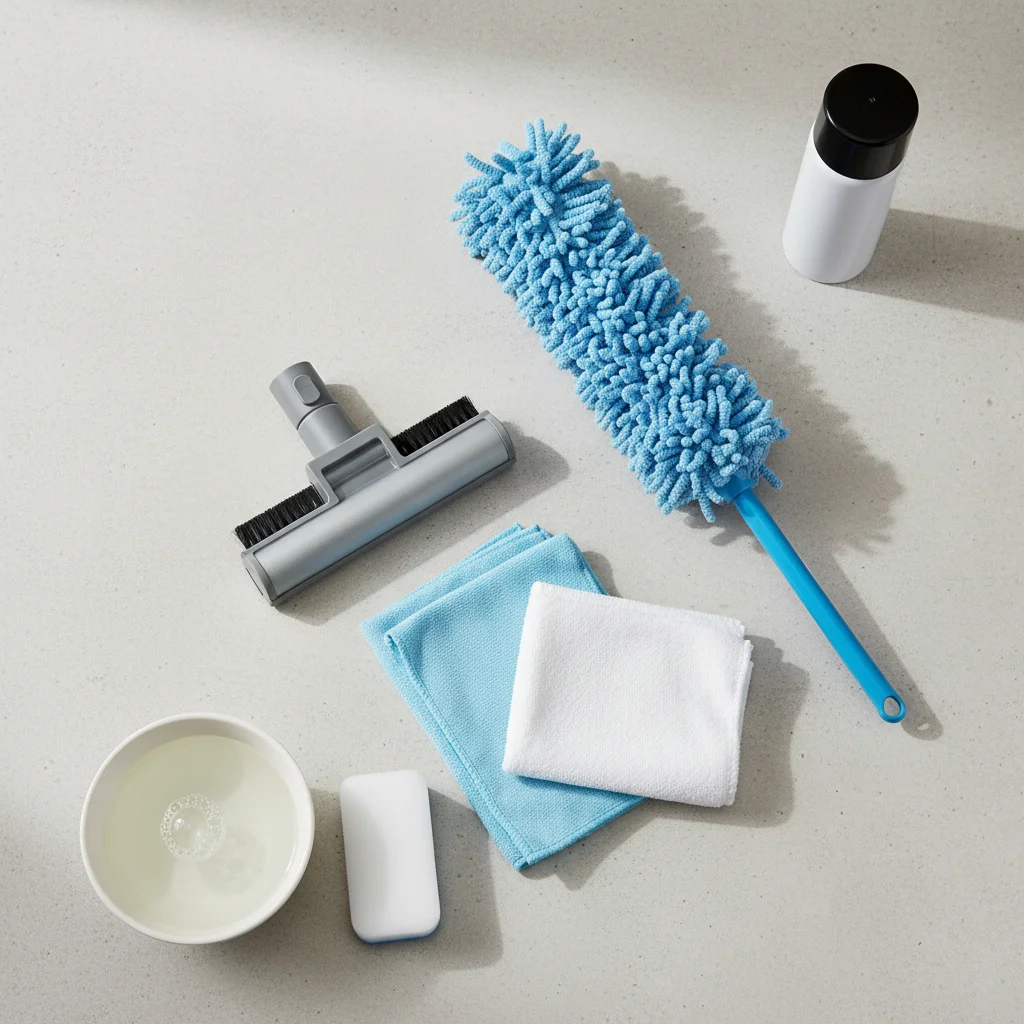
A basic cleaning kit for honeycomb blinds: soft brush, microfiber cloths, mild soap, and compressed air.
If your home has lots of tall windows or motorized shades, a sturdy step stool and an extension pole for your duster help a lot. If you’re planning a renovation, motorized honeycomb blinds can also cut down on fingerprints and mishandling.
Layer 1: Your quick weekly refresh
Think of this as brushing your teeth: short, simple, and it saves you from bigger problems later.
- Lower the shade fully so the pleats line up neatly.
- Use the vacuum’s brush attachment on low suction, working from the top rail to the bottom on the front and back.
- Check the windowsill and frame; wipe dust with a dry or barely damp cloth.
- For any faint marks, give that spot a quick, gentle dab with a slightly damp cloth, then blot dry.
This routine takes just a minute or two per window and keeps your cellular shades (also called honeycomb blinds) from turning into dust magnets. In homes where allergies are a concern, treating this weekly pass as non‑negotiable helps keep dust and dander from building up on the fabric.
Room-by-room deep-cleaning checklist
Once or twice a year, pair your shades with your regular spring or fall cleaning. Here’s how to handle each room without stressing the fabric.
Living rooms and family rooms
- Start by removing objects near the window so you can reach the full shade.
- Fully lower the blinds and vacuum both sides slowly, focusing on pet fur around the bottom edge.
- Use a microfiber duster or soft brush to sweep along the headrail and any exposed hardware.
- Wipe the windowsill, trim, and nearby baseboards so dust doesn’t blow back onto the fabric.
- Finish by opening and closing the shades a few times to check for smooth operation. If they’re snagging, mention it at your next in‑home design consultation with Ray Blinds.
Kitchens and dining areas
Kitchens around the Lower Mainland collect a fine mist of cooking oils along with everyday dust. Cellular fabric can pick that up around stoves and sinks.
In kitchens, gently blot greasy spots on honeycomb blinds with a barely damp cloth and mild soap.
- Dust and vacuum the shade thoroughly, including the side edges.
- Mix fresh lukewarm water with a drop of mild dish soap.
- Lightly dip a white sponge or cloth, squeeze well, then blot any greasy spots with small, gentle presses.
- Follow with a clean, damp cloth to rinse away any soap residue.
- Leave the shade fully open until it dries completely so the pleats keep their shape.
If you’re updating a busy cooking space, consider zebra shades or roller shades in moisture‑resistant fabrics for the windows right beside the stove.
Bedrooms and nurseries
Bedrooms usually have less grease and more fingerprints, especially on day & night honeycomb blinds with blackout options.
- Vacuum or dust from top to bottom with the shade fully lowered.
- Pay attention to the bottom rail where kids’ hands tug or rest.
- Spot-clean any pencil marks or sticky fingerprints with a tiny bit of mild soap and water, blotting instead of scrubbing.
- Check cords or cordless mechanisms to make sure everything is working smoothly and safely for little ones.
Bathrooms and laundry rooms
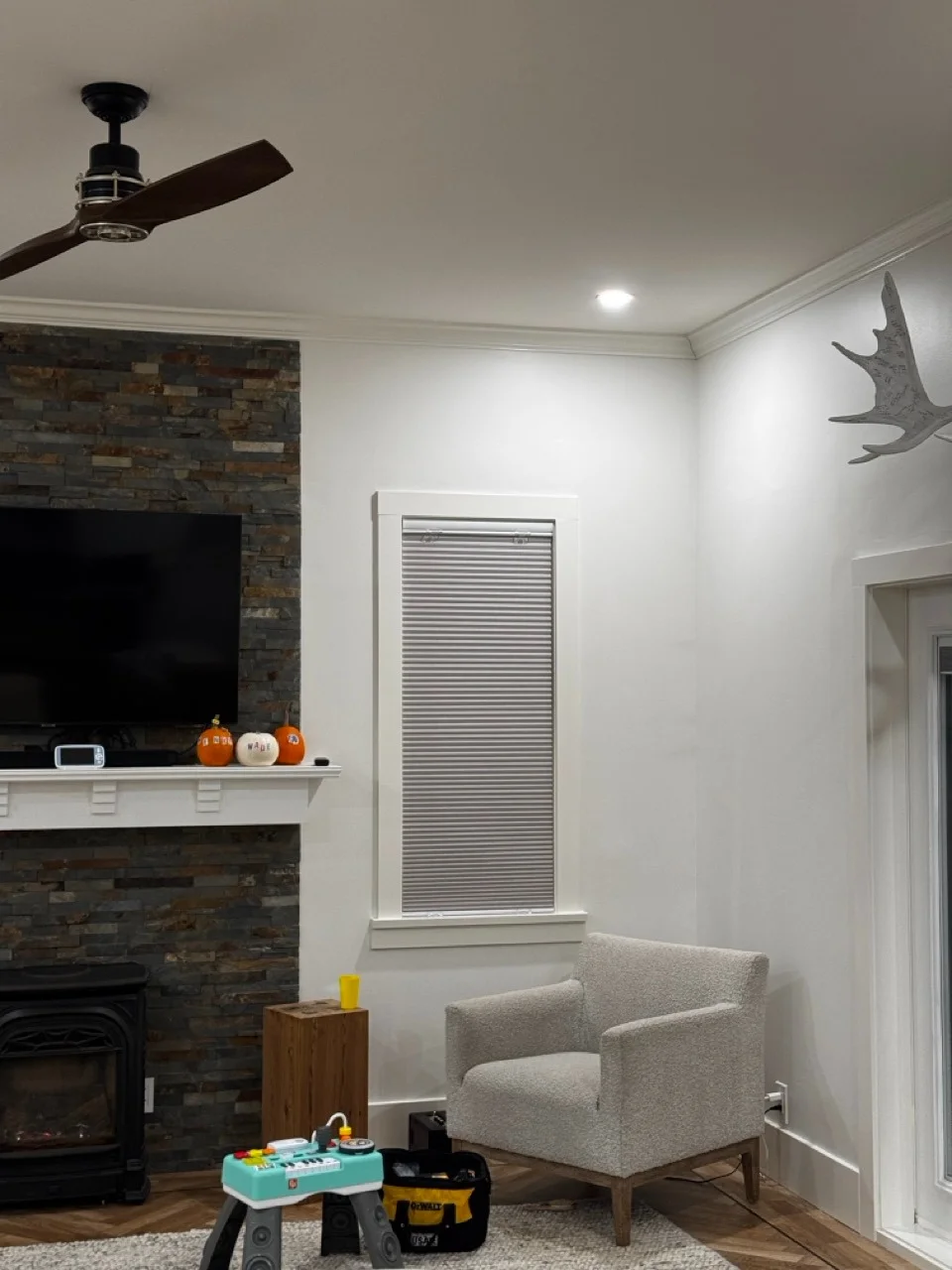
Humidity in bathrooms and laundry rooms can leave cellular fabric feeling slightly tacky and more prone to mildew.
- Open a window or run the fan so the room isn’t steamy while you work.
- Dust and vacuum the shade, then gently wipe any moisture spots with a damp cloth.
- For light mildew marks, squeeze a cloth until almost dry, dab the affected area with mild soap and water, then blot with a different clean cloth.
- Leave shades fully extended and windows cracked open until everything is completely dry.
Public-health agencies recommend keeping indoor relative humidity below about 60% (ideally between 30% and 50%) to help prevent mould and dust mites, so pair shade cleaning with running the fan or using a dehumidifier if the room stays steamy. For more detail, see resources such as the U.S. EPA’s guidance on indoor mould and moisture.
If your bathroom blinds constantly battle moisture, ask during your next free in‑home design consultation with Ray Blinds about fabrics that handle humidity especially well.
Spot-cleaning stains on cellular shades
Life happens: spilled coffee, mystery splashes, the odd art project that missed the paper. Here’s how to deal with stains on cellular blinds without wrecking the pleats.
- Test first. Pick a hidden corner near the top and test your damp cloth there.
- Blot, don’t scrub. Press a slightly soapy cloth onto the stain and lift straight off. Scrubbing pushes dirt deeper into the fibers.
- Rinse the area. Use a second cloth with plain water, then a dry cloth to blot again.
- Dry in place. Leave the shade lowered until the fabric feels completely dry.
Stains that have soaked into the inner layer sometimes never vanish fully. If that’s the case, it might be time to talk about replacement cellular shades.
Quick FAQ: Honeycomb & cellular shade care
How do you clean cellular shades without flattening the pleats?
Use a vacuum with a soft brush attachment on low suction, working from top to bottom on both sides of the shade. For stuck-on dust inside the cells, use compressed air or a hair dryer on a cool setting. Finish with a slightly damp microfiber cloth on any marks, blotting rather than scrubbing.
Can you wash cellular blinds in the bathtub?
Most manufacturers do not recommend submerging cellular blinds in water, because it can damage the glue lines and internal cords. A safer method is dry dusting, gentle vacuuming, and targeted spot-cleaning with mild soap and water. Always check the care label or manufacturer instructions for your specific product.
How often should you clean honeycomb blinds?
A light dusting or vacuum once a week keeps most honeycomb blinds under control. Plan a deeper clean once or twice a year, or more often in busy kitchens, kids’ rooms, and homes with pets or allergies.
FAQ: How to clean cellular shades and blinds
How do you clean cellular shades inside the honeycomb cells?
For dust that has settled inside the cells, set a hair dryer to a cool, low setting and gently blow through each opening from top to bottom. Short bursts from a can of compressed air also work. Follow up with your vacuum’s brush attachment along the outer fabric to catch anything that comes loose.
Can you steam clean honeycomb blinds?
Steam cleaners are powerful, but they’re usually too harsh for delicate cellular fabrics. Most manufacturer care guides for honeycomb shades focus on light dusting, gentle vacuuming, compressed air, spot-cleaning with mild detergent, and, in some cases, professional ultrasonic or immersion cleaning—not steam. Excess heat and moisture can soften adhesives, affect internal cords, and leave water marks. Unless your shade’s manufacturer specifically says steam is safe, it’s best to avoid steam cleaning and stick to the methods in this guide.
What cleaners are safe for cellular shades?
In most homes, a drop of mild dish soap mixed into a small bowl of lukewarm water is all you need. Use a clean white cloth or sponge, wring it out well, then blot the stain gently and rinse with a second cloth and plain water. Avoid bleach, strong solvents, abrasive powders, or heavy-duty degreasers—these can weaken fabric coatings or cause discoloration. Some specialty fabrics shouldn’t be spot-cleaned or immersed at all, so always double-check your shade’s care tag or manufacturer guide before using any cleaner.
How to clean cellular blinds if you have allergies?
Weekly vacuuming makes a big difference. Use the soft brush head and focus on the edges and bottom rail where dust collects. In bedrooms, match this with washing bedding and wiping nearby surfaces so less dust drifts back onto the fabric. Allergy organizations note that thorough weekly vacuuming can help reduce house-dust-mite allergen levels, even if it doesn’t eliminate them entirely.
How to clean cellular shades in rental suites or basement suites?
In secondary suites around the Lower Mainland, shades often sit close to cooking and laundry areas. Follow the kitchen and bathroom tips above, and schedule deep cleaning between tenants. If blinds are very stained or misshapen, switching to fresh cellular shades or roller shades can brighten the whole space for the next renter.
When cleaning isn’t enough
Even the best cleaning routine has limits. You might be ready for new honeycomb blinds if you notice any of these:
- Cells are permanently crushed or separating from each other
- Lift cords are fraying or the shade no longer raises evenly
- Stains keep coming back, even after careful spot-cleaning
- Fading is very uneven, so the shade looks patchy in daylight
When that happens, you’re not starting from scratch. The measurements and habits you’ve learned caring for these blinds help you and your consultant choose the right replacement honeycomb shades next time.
How to prep for a replacement consultation
If you’re booking a design visit, a little prep makes the meeting faster and more accurate:
- Take rough measurements. Use a tape measure to note the width and height of each window opening. Don’t worry about perfection—your Ray Blinds consultant will confirm precise measurements before ordering.
- Snap a few photos. Take a straight‑on photo of each window, plus a wider shot of the whole wall so your consultant can see furniture, heaters, and how light enters the room.
- List your pain points. Jot down when glare is worst, which rooms feel drafty or too hot, and any safety concerns like cords near cribs or pets.
What to consider when upgrading your honeycomb blinds
When you’re ready to replace tired shades, think through how you want the new ones to perform, not just how they look:
- Privacy and light control. Decide whether you need sheer shades light filtering for daytime, blackout for bedrooms, or a mix. Options like day & night honeycomb blinds with blackout options give you flexible control in the same window.
- Energy efficiency. Double- or triple-cell fabrics, tight side gaps, and well-fitted headrails all help with insulation and comfort, especially on large or north-facing windows.
- Ease of cleaning. Smooth, tightly woven fabrics usually release dust more easily than heavy textures. Cordless and motorized honeycomb blinds also tend to stay cleaner because there are fewer hands on the fabric.
- Room conditions. In steamy bathrooms or busy kitchens, ask about fabrics with extra moisture resistance, or consider using roller shades on the hardest-working windows.
How Ray Blinds can help lower-maintenance homes
A design consultant can help you choose new honeycomb blinds that are easier to clean and maintain.
Our team has installed custom honeycomb and cellular blinds across Surrey and Greater Vancouver for over a decade, so we see first-hand which fabrics handle kids, pets, and everyday life with less fuss. During your free in‑home consultation, we’ll look at how each room is used—who sleeps there, how sunny it gets, whether there’s a busy gas range nearby—and suggest options that clean up easily.
Whether you’re refreshing one bedroom or planning a whole‑home upgrade with motorized cellular shades, we handle measuring, manufacturing, and installation so everything fits cleanly and works smoothly from day one. And if you’re in “my blinds are beyond help” territory right now, you’re exactly who we can help the most.